

Why restaurants that understand the new consumer will protect margin better than those still chasing “more traffic”
Restaurant operators are tired of hearing that customers are “price sensitive.” It is technically true, but it is also too shallow to be useful.
Guests are not simply refusing to spend. They are choosing where spending still feels justified. That difference matters.
A customer who skips delivery on Tuesday may still book a Saturday dinner. A family that questions a $17 burger may happily pay $11 for a coffee, pastry, and 45 minutes of atmosphere. A couple that ignores your generic 10% discount may respond to a well-built early evening menu that lets them go out without feeling financially reckless.
That is the shift. The value-seeking consumer is not necessarily broke, cheap, or disloyal. They are more deliberate.
For restaurant owners, this creates a hard truth: the old playbook of raising prices, posting food photos, discounting slow nights, and hoping traffic returns is not enough. In the U.S., restaurant sales are projected to keep growing in 2026, but real growth is modest and cost pressure remains intense. Operators are still dealing with labor challenges, elevated input costs, margin compression, and weaker pricing power.
The opportunity is not to become the cheapest restaurant in town. That is usually a race to the bottom.
The opportunity is to become the restaurant that makes the guest feel smart for choosing you.
“Value” does not mean “low price”
This is where many operators make the wrong move.
They hear “customers want value” and immediately think: cheaper lunch specials, bigger portions, coupons, happy hour discounts, delivery promos, bundle deals, loyalty points.
Some of that can work. But done badly, it trains your customers to wait for a deal while your food, labor, rent, insurance, utilities, and app fees do not wait at all.
Value is not the same as discounting.
Value is the relationship between what the guest pays and what they believe they received. That includes food quality, portion size, speed, hospitality, atmosphere, convenience, emotional payoff, and confidence that they did not waste their money.
A $22 pasta can feel like a rip-off if it arrives lukewarm in a half-empty room with indifferent service.
A $22 pasta can feel fair if the portion is right, the sauce tastes like someone cared, the server remembers the guest’s wine preference, and the room feels alive.
Same price. Different perceived value.
The deliberate consumer is not only asking, “Is this cheap?” They are asking:
“Was this worth leaving the house for?”
“Could I have made something similar at home?”
“Will I regret this when the bill comes?”
“Is this better than my grocery prepared meal, my air fryer, my favorite fast-casual place, or ordering from the app?”
That is your real competition now.
The new competitor is not just the restaurant next door
Independent restaurants still watch nearby competitors. That makes sense. But the guest’s decision set has expanded.
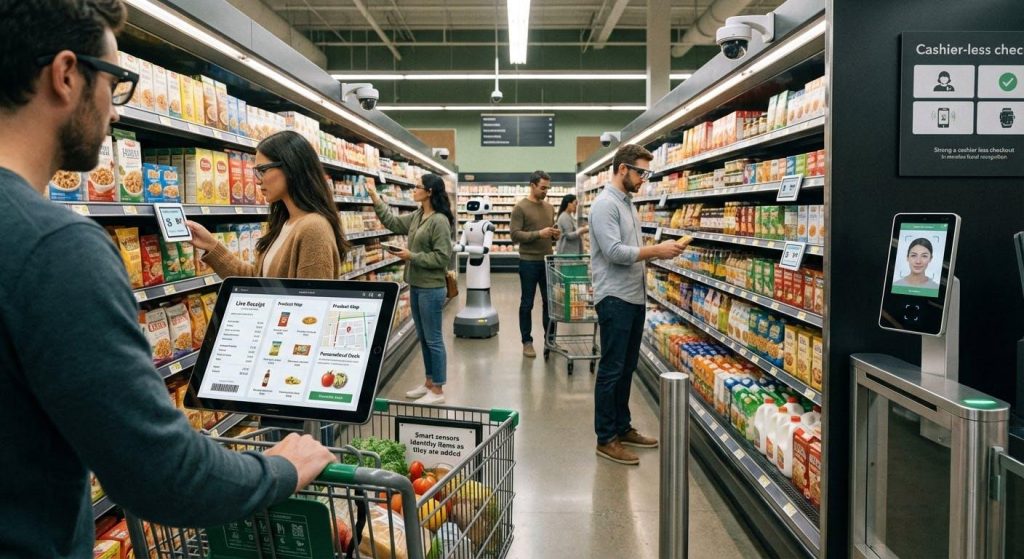
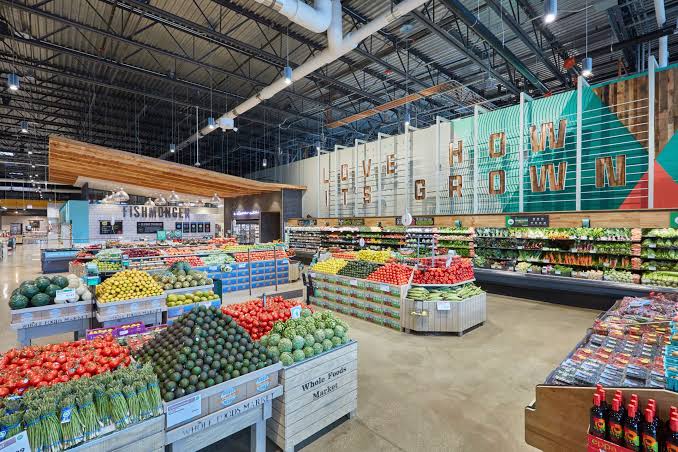
You are competing against grocery prepared foods, premium frozen meals, convenience stores, meal kits, office snacks, home cooking, fast casual, coffee shops, social media recipes, delivery apps, and the simple choice to stay home.
Value-focused retailers and grocery channels have become more serious competitors for lunch and dinner, especially as consumers compare restaurant prices against grab-and-go meals and prepared foods.
This is especially dangerous for average restaurants.
Not bad restaurants. Average ones.
The restaurants most exposed right now are the ones charging restaurant prices for an experience that feels only slightly better than eating at home. The lighting is forgettable. The service is transactional. The menu has too many safe items. The social media is tired. The delivery experience is inconsistent. The loyalty program feels like a receipt with points attached.
That kind of restaurant gets squeezed from both sides.
Cheaper options beat it on price. Better operators beat it on experience.
If you are in the middle, you need to be very honest about why a guest should choose you this week.
Raising prices without redesigning value is lazy strategy
Operators have had legitimate reasons to raise prices. Food costs have been volatile. Labor is more expensive. Insurance, rent, energy, repairs, packaging, and payment processing all add up. In Europe, hourly labor costs have continued rising across the EU, while food inflation has remained above its pre-pandemic average.
But guests do not care about your cost structure as much as you do.
That sounds harsh, but it is necessary to understand.
Your customer may sympathize with rising costs in theory. They may even know restaurants are difficult businesses. But when the bill hits the table, they judge the experience from their side of the transaction.
This is why price increases alone are dangerous.
A James Beard Foundation report found many independent restaurants feel they have reached the ceiling on price increases, and that operators raising prices aggressively were more likely to see profits decline.
That should make every owner pause.
If your only margin strategy is “add $2,” you are not managing the business. You are testing customer tolerance.
Smarter operators are asking better questions:
Can we engineer the menu so the guest sees value while margin improves?
Can we remove low-margin complexity that slows the kitchen?
Can we create a tighter lunch offer that protects throughput?
Can we make early-week traffic more predictable without discounting the whole brand?
Can we use premium add-ons instead of blanket price hikes?
Can we give guests a reason to order direct instead of paying delivery app markups?
The answer is usually not one big move. It is ten small margin decisions that the guest barely notices, because the experience still feels generous.
Stop selling “cheap.” Sell confidence.
A value-seeking guest wants to feel confident.
That is why vague marketing underperforms. “Fresh ingredients.” “Best in town.” “Family owned.” “Authentic.” “Come try us.” These phrases are not harmful, but they are weak because they do not reduce the guest’s risk.
A deliberate guest wants to know what they are getting, why it is worth it, and when it makes sense to visit.
Bad marketing says:
“Join us for delicious food and great vibes.”
Better marketing says:
“Two-course early dinner, in and out in 60 minutes, £24 per person.”
Bad marketing says:
“Happy hour specials all week.”
Better marketing says:
“After-work wine and small plates from 5–6:30. Built for people who want a proper night out without the full dinner bill.”
Bad marketing says:
“Order online.”
Better marketing says:
“Order direct and get the same kitchen, better pricing, and pickup ready in 20 minutes.”
Specificity creates confidence. Confidence creates conversion.
Restaurants often confuse creativity with effectiveness. You do not need another clever Instagram caption. You need offers that are easy to understand, easy to buy, and financially sane.
The deliberate consumer still wants pleasure
Here is the part many operators miss: value-seeking does not mean joyless.
People are still buying treats. They are still going out. They are still celebrating birthdays, meeting friends, dating, grabbing coffee, ordering dessert, and paying for moments that break the monotony of everyday life.
In fact, part of the restaurant opportunity is that dining out can feel like an affordable indulgence compared with travel, luxury shopping, or larger discretionary purchases. Recent restaurant performance has shown strength in experiences that give guests comfort, convenience, or a small emotional reward.
This matters because restaurants should not respond to cautious consumers by becoming boring.
Do not strip the menu of pleasure. Do not make the room feel cheaper. Do not turn hospitality into a spreadsheet. Do not flatten the brand into “affordable meals.”
The better move is controlled indulgence.
Give guests something they can justify and enjoy.
A dessert worth sharing.
A premium non-alcoholic drink that feels adult and margin-friendly.
A lunch combo that feels complete, not stingy.
A tasting menu on a slower night that uses ingredients intelligently.
A family meal package that solves a real weekday problem.
A bar snack menu that makes a second drink more likely.
Value is not the absence of premium. It is premium with a reason.
Delivery has made value more complicated
Delivery apps changed consumer expectations, but they also distorted value.
A guest sees your burger at $16 in-house, then sees it at $22 online after markups, fees, delivery charges, and tip. The restaurant gets blamed for the total even when the app economics are doing much of the damage.
That does not mean restaurants should abandon delivery completely. For some concepts, it is a meaningful channel. For others, it is a visibility tool. But operators need to stop treating delivery sales as automatically good sales.
The question is not “Are we getting orders?”
The question is “Are these orders profitable, repeatable, and brand-building?”
If third-party delivery is shrinking margin, weakening food quality, and giving you no customer relationship, it deserves scrutiny.
A smarter delivery strategy might include a smaller delivery-only menu, better packaging for fewer items, direct-order incentives, pickup bundles, catering-style office lunches, or clear messaging that ordering direct gives the guest better value.
Do not let apps define your pricing relationship with your customer.
Loyalty is not a points program. It is memory.
Most restaurant loyalty programs are forgettable because they reduce loyalty to math.
Spend $100, get $5. Buy nine coffees, get one free. Earn points. Redeem later.
Fine. But that is not real loyalty. That is delayed discounting.
Real loyalty comes from recognition, consistency, and relevance.
The guest who comes every Thursday does not only want points. They want to feel known. The office manager ordering lunch for twelve people wants reliability. The parent picking up dinner wants speed and no mistakes. The couple celebrating an anniversary wants the restaurant to remember the note they left on the reservation.
Technology can help, but it cannot replace hospitality judgment.
Use your CRM, reservation notes, email list, POS data, and ordering history to make better decisions. Segment guests by behavior. Build offers around actual use cases: weekday regulars, lapsed locals, high-spend weekend guests, office catering buyers, delivery-only customers, private dining leads.
But do not automate the soul out of the relationship.
The restaurants that win will use data to become more human, not less.
Common mistake: discounting the wrong customer
Many restaurants panic when traffic softens and start discounting broadly.
That is usually sloppy.
A blanket 20% discount often rewards people who were already going to come, attracts deal-only guests who do not return, and damages the perceived value of the brand.
Better alternatives:
Create a fixed-price menu for a specific daypart.
Add value through courses, not random discounts.
Offer direct-order perks instead of third-party app dependency.
Build locals-only or neighborhood nights that feel like belonging, not clearance.
Use limited-time bundles to move high-margin items.
Reward repeat visits with access, recognition, or convenience—not just cheaper food.
The goal is not to bribe people into visiting once. The goal is to make the right guests come more often at a margin you can live with.
What operators should do now
Start with the menu.
Identify the items guests love, the items that drive margin, and the items that create operational drag. If a dish is expensive to produce, slow to execute, rarely ordered, and not brand-defining, it is probably not “variety.” It is waste wearing a nice outfit.
Then look at your offers.
You need clear reasons to visit by occasion: quick lunch, after-work drink, family dinner, date night, Sunday comfort, pre-theatre, office catering, late-night snack. Guests do not buy “a restaurant.” They buy a situation solved.
Then review your channels.
Your website, Google profile, reservation page, delivery listings, email, SMS, Instagram, TikTok, and in-store signage should not all say the same vague thing. Each should answer a different guest question.
Can I afford this?
Is it worth it?
Can I get in?
What should I order?
Is it good for my occasion?
Will it be easy?
Finally, train your team to understand value.
A server who can guide a guest to the right dish protects value. A host who handles wait times well protects value. A manager who fixes a mistake quickly protects value. A kitchen that sends consistent plates protects value.
Value is not just a marketing position. It is an operating discipline.
The takeaway
The value-seeking consumer is not your enemy.
They are showing you where your restaurant is unclear, overpriced, under-explained, operationally loose, or not differentiated enough.
That is uncomfortable, but useful.
Do not insult them by assuming they are cheap. Do not panic and discount your way into weaker margins. Do not pretend the old traffic patterns are guaranteed to return.
Respect the new guest.
They still want restaurants. They still want pleasure, convenience, hospitality, and discovery. But they are making more deliberate choices.
Your job is to make choosing you feel obvious.