

Chains are using price to pull diners in. Independents can answer without copying them, and without giving away profit.
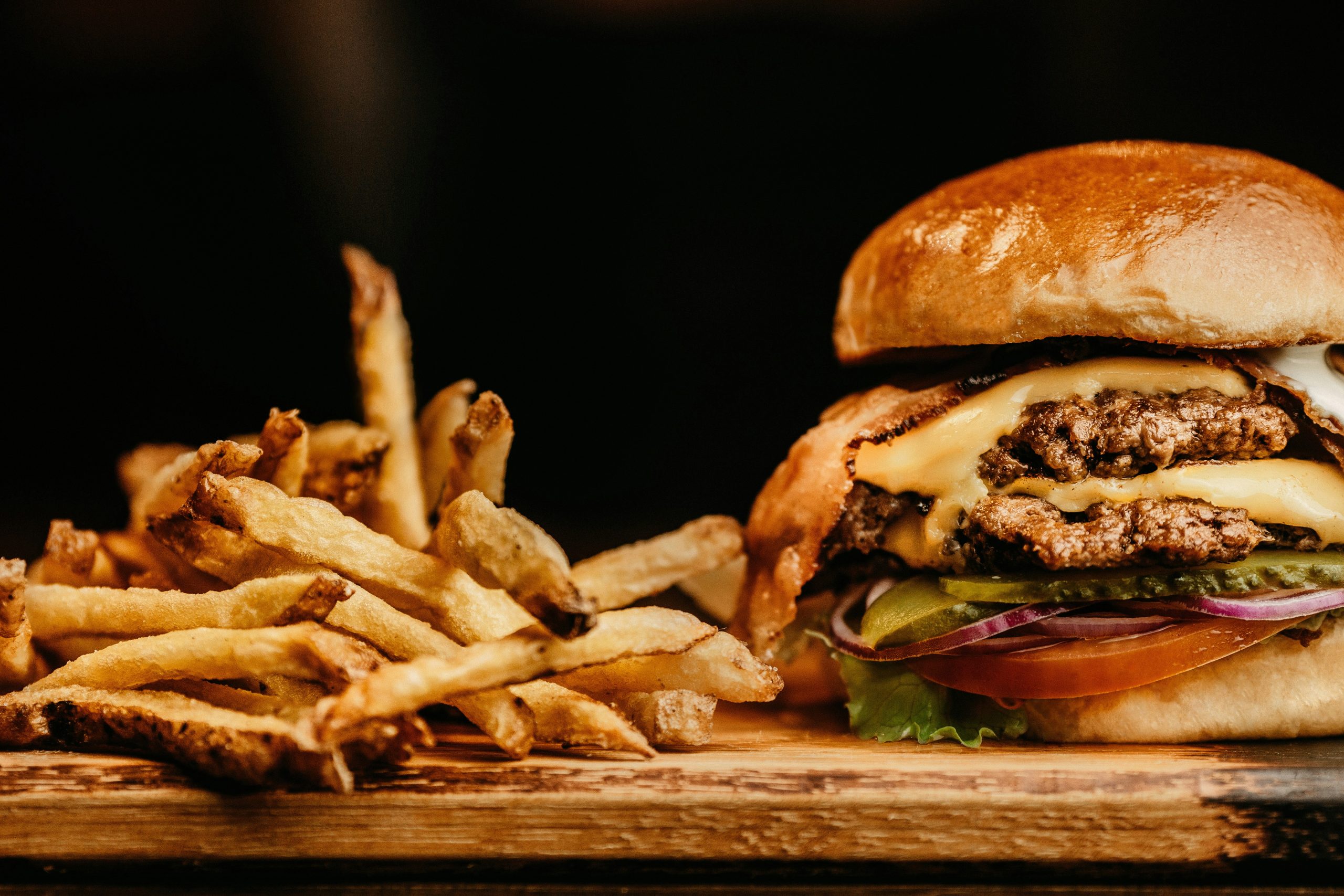
Every few years, the same thing happens. A big chain puts a bundled price on a billboard, and by Monday morning, a guest at your counter asks why your burger costs more than an entire meal down the road.
This month it’s the $8 deal. McDonald’s is offering an $8 Quarter Pounder with Cheese meal, and Einstein Bros. has a $5.99 egg offering. Discounting is becoming the main way big brands compete for guests who are watching every dollar. brandeating
You can’t match those prices. A chain with national purchasing power, a tightly engineered menu, and a marketing budget the size of your annual revenue can run a loss-leader that would sink an independent in a quarter. But ignoring the pressure doesn’t work either. Your guests see those prices. They shape what “fair” feels like.
So the real question isn’t “Should I discount?” It’s “What is my version of value, and what does it cost me?”
Why costs make this harder than the last value war
The deal wars of the past happened when operators had more room to absorb them. Today, costs are rising on almost every line. Consumer prices rose 3.7% over the year ending in September, with ground beef up 5.4% and coffee up 7.1%. Add wages, rent, insurance, and card fees, and the math on a deep discount gets ugly fast. dailyvoice
Here’s a simple scenario. Say a $14 lunch plate carries a 30% food cost, leaving about $9.80 after ingredients. After labor, rent, and overhead, there might be a dollar or two of profit in it. Cut the price by $3 to match a competing deal, and you haven’t just lost $3 of revenue. You’ve turned that plate from a thin profit into a loss, and you’d need a large jump in volume just to break even. Most dining rooms can’t produce that jump, because the seats and the staff are already there.
That’s the trap. A discount only works if it brings in guests who wouldn’t have come anyway. If you mostly discount for people who were already coming, you’re simply paying your regulars to stay.
The mistake: discounting your most popular items
The most common error is putting your best sellers on promotion. They look like the obvious choice, since they’re what people want. But a hit item at a discount just gives margin away on volume you’d have earned at full price.
A better question is which items you can price aggressively without damaging the plate. Typically that means:
- items with naturally low food cost, such as pasta, soups, eggs, rice bowls, and flatbreads
- items that use ingredients already on your prep list
- items that pull in a drink, a side, or a dessert
The goal of a value offer is the full check, not the entry price.
Build an anchor, not a discount
Chains advertise one price because it creates a feeling: this place is affordable. You can create the same feeling with a single, well-designed anchor item, and keep the rest of the menu priced for margin.
A strong anchor has three traits. It’s clearly good for the money. It’s simple enough to execute fast, even on a busy shift. And it’s easy to describe in one sentence, because that’s how guests will repeat it.
Think of a “lunch plate” with a protein, a side, and a drink at a fixed price, built around ingredients you already buy in volume. Or a weeknight “neighborhood dinner” with a set price for two courses. The price is visible, the portion is honest, and the cost is controlled because you designed it, rather than cutting it from an existing plate.
Protect value perception without cutting price
Guests don’t judge value only on the number. They judge it on what they get, how they feel, and how it compares to the alternative. That gives you levers that don’t touch your price:
Portion honesty. A plate that looks generous creates more goodwill than a cheaper one that looks thin. Shrinking portions to hold price works, but only until guests notice.
Speed. For a lunch crowd, time is part of the price. A guaranteed fast lunch is a real offer.
Small extras with real impact. A free refill, a house sauce, or a fresh side costs pennies and changes how the whole meal feels. Compare that to a $3 discount.
Clarity. A confusing menu makes everything feel expensive. A clean one makes prices feel fair.
Common advice vs. smarter moves
Common advice: Match the competitor’s price to stay relevant.
Smarter move: Don’t compete on their terms. A chain wins on speed and price. You win on quality, atmosphere, and the feeling of being known. Make those visible.
Common advice: Run a limited-time deal to drive traffic.
Smarter move: Use a time-limited deal only for slow periods. Discount the Tuesday lunch, not the Friday dinner. Fill empty capacity rather than subsidizing full capacity.
Common advice: Push deals through delivery apps to gain exposure.
Smarter move: Be careful. Platform commissions on a discounted order can erase what’s left. If you promote there, build a separate, tighter menu for delivery instead of your regular prices with a coupon on top.
Common advice: Advertise the lowest price.
Smarter move: Advertise what’s included. “Everything you need for lunch, ready in 15 minutes” sells value without announcing that you’re cheap.
Turn the deal into a relationship
The best use of a value offer isn’t the sale. It’s the second visit. If someone comes in for your anchor lunch and has a great experience, you have an opening: capture a phone number or email, and invite them back with something specific, such as a seasonal dish, an off-peak table, or a regulars’ evening.
Without that step, a deal is a one-time transaction with a guest who will leave for the next lower price. With it, a deal becomes a low-cost acquisition channel, usually cheaper than ads or delivery apps.
Know your floor before you start
Before running any offer, know three numbers: the food cost of the item, the contribution margin after labor, and the volume you’d need to make the promotion worthwhile. If you can’t answer all three, don’t run it yet.
Then set a stop point. A promotion with no end date quietly becomes your new base price, and getting guests to accept a higher price afterward is far harder than never lowering it.
The takeaway
An $8 meal deal on a billboard is a marketing decision made by a company that can afford it. You don’t need to answer it. You need a clear reason for guests to choose you at your price.
Don’t ask, “How do I match their price?” Ask, “What can I offer that a drive-thru can’t, and how do I make it feel like a great deal?” Then protect the margin that keeps your doors open, because the cheapest meal in town means nothing if the restaurant isn’t there next year.