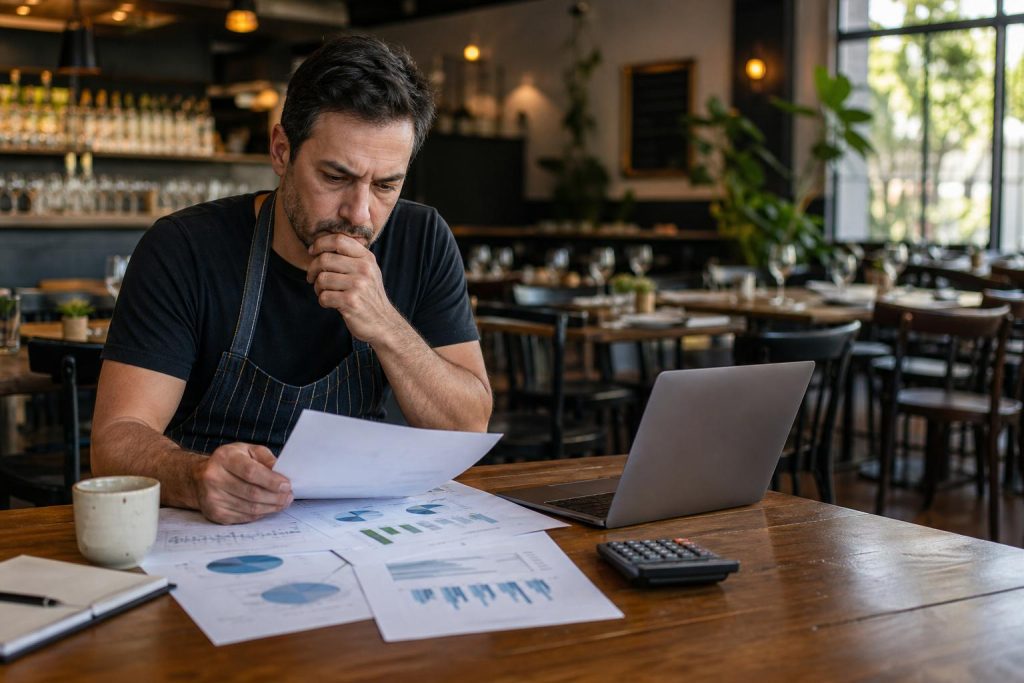


Restaurants do not need another growth hack. They need a better margin strategy for a customer who still wants to eat out, but no longer does it casually.
Restaurant operators are stuck in one of the most frustrating business climates in years.
Demand is not dead. People still want restaurants. In the U.S., restaurant and foodservice sales are projected to reach $1.55 trillion in 2026, with modest real growth expected. More than 7 in 10 consumers say they would use restaurants more often if they had more disposable income. That is the strange part of this market: desire is there, but frequency is fragile.
That gap is where margins are getting crushed.
The guest still wants the meal, the night out, the coffee run, the family dinner, the birthday booking, the quick lunch, the delivery order. But they are choosing more carefully. They are comparing you against grocery prices, fast-casual bundles, meal kits, delivery fees, TikTok-famous competitors, and their own bank balance.
Meanwhile, operators are absorbing higher labor, food, energy, insurance, rent, card fees, packaging, delivery commission, marketing costs, and guest expectations. In the U.S., more than 9 in 10 operators cite food, labor, insurance, energy, and swipe fees as significant challenges, while 42% reported their restaurant was not profitable last year. In Europe, labor pressure remains real too: Eurostat reported Q1 2026 hourly labor costs up 3.2% in the euro area and 3.6% across the EU year over year.
So the old answer — “just drive more traffic” — is too shallow now.
Traffic helps. Of course it does. But traffic that comes through discounts, low-margin menu items, understaffed service, or expensive third-party channels can make the restaurant busier and poorer at the same time.
That is the 2026 margin trap.
The market is not weak. It is uneven.
The mistake many operators make is treating 2026 like a simple downturn. It is not.
Some restaurants are packed. Some are flat. Some are selling more but earning less. Some are winning lunch and losing dinner. Some are strong in-store but bleeding margin on delivery. Some have good weekend demand but dead midweek traffic. Some are loved on Instagram but cannot turn attention into repeat visits.
This is not one market. It is several markets happening at once.
Value-driven guests are trading down or looking for bundles. Premium guests are still spending, but only when the experience feels worth it. Office lunch traffic remains inconsistent in many cities. Families are more price-aware. Younger diners still eat out, but they expect convenience, personality, and digital ease. Health-conscious guests may drink less alcohol or order lighter. Delivery customers still want convenience, but they are tired of fees.
That means the winner is not always the cheapest restaurant or the loudest one online. The winner is the operator who knows exactly where profitable demand still exists.
Bad advice says: “Post more. Discount more. Add delivery. Raise prices. Use AI.”
Smarter advice asks: Which guest? Which occasion? Which margin? Which channel? Which daypart? Which menu item? Which second visit?
That is the level of thinking operators need now.
Stop pricing like every guest has the same pain threshold.
Many restaurants already used the easiest lever: price increases. That lever is wearing out.
Independent operators are increasingly saying they have hit a pricing ceiling. Axios reported that restaurants raising prices more than 10% in 2025 were more likely to report lower profits, and nearly half of operators who added online ordering and delivery said it did not improve profitability. That should scare anyone still treating price hikes and delivery expansion as automatic solutions.
The issue is not that restaurants should never raise prices. That is naïve. If costs go up, prices often have to move.
The issue is blunt pricing.
Adding $1 across the board is easy. It is also lazy. Guests do not evaluate every item equally. A regular may notice a coffee jump immediately but barely register a premium entrée increase if the dish feels special. A family may be sensitive to kids’ meals and soft drinks but accept a higher sharing platter if it feels abundant. A lunch guest may resist a $19 salad but happily buy a $14.50 combo that feels complete.
Operators need price architecture, not panic pricing.
That means protecting entry points, creating clear “worth it” anchors, and moving margin through mix rather than just sticker shock. A casual restaurant might keep one strong lunch item under a psychological price point, then build profit through add-ons, sides, beverages, and desserts. A premium casual venue might reduce discounting and instead create a fixed-price early dinner that improves kitchen flow and fills soft hours.
The goal is not to be cheap.
The goal is to make the guest feel safe saying yes.
Value does not mean discounting. It means reducing regret.
Guests are not only asking, “Can I afford this?”
They are asking, “Will I regret spending this much here?”
That is a different problem.
A discount answers affordability. A better value strategy answers confidence.
For restaurants, the smarter alternative is not endless 20% offers. That trains customers to wait, lowers perceived quality, and punishes loyal guests who would have paid full price. It also brings in deal-seekers who may not return without another incentive.
Better value can look like:
A tighter lunch menu that gets guests in and out reliably.
A midweek set menu that protects margin because the kitchen controls prep.
A family bundle that feels generous but is built around profitable items.
A premium item that is expensive but visually and emotionally justifies the price.
A loyalty offer that rewards frequency instead of giving away margin to strangers.
A “complete meal” option where the guest avoids mental math.
The psychology matters. In a pressured market, people still spend on restaurants when the decision feels rational enough to defend and enjoyable enough to remember.
That is the sweet spot: justified indulgence.
Your menu is now a financial instrument.
Many operators still treat the menu as a list of dishes. In 2026, that is not enough. The menu is your pricing engine, labor plan, inventory system, brand story, and marketing funnel.
A bloated menu quietly destroys margin. It increases prep complexity, slows service, raises waste, complicates training, and makes purchasing harder. Worse, it often hides the dishes that actually make money.
A smarter menu does three jobs.
First, it protects your signature identity. Guests need to know what you are famous for.
Second, it guides demand toward profitable choices. Placement, naming, photography, bundles, and server prompts all matter.
Third, it reduces operational drag. Every item should earn its place not only through popularity, but through contribution margin, prep burden, speed, waste risk, and consistency.
This is where many restaurants need to be brutally honest.
A dish that sells well but requires too much labor, uses volatile ingredients, slows the line, and creates waste may not be a hero. It may be a trap with good PR.
A dish that sells moderately but is fast, stable, high-margin, and easy to cross-utilize may deserve more attention.
That is the kind of menu thinking that separates operators from hobbyists.
Delivery should be treated as a channel, not a rescue plan.
Delivery is not going away. But operators need to stop treating third-party apps as free growth.
Delivery can introduce new customers, increase convenience, and capture demand that would never have walked in. But after commission, packaging, remakes, refunds, delayed drivers, cold food, and weaker guest relationships, the economics can become ugly fast.
The fix is not to abandon delivery. The fix is to design for it.
Do not put your whole dine-in menu online by default. Build a delivery menu around items that travel well, photograph well, hold margin, and can be executed during peak periods without damaging in-store service.
Use delivery platforms for discovery, but push repeat customers toward owned channels where possible. That might mean bounce-back cards in packaging, first-party ordering perks, catering offers, SMS opt-ins, or loyalty benefits that are actually worth joining.
And be honest about the role of delivery in your business.
For some restaurants, it is profitable volume. For others, it is marketing. For others, it is a margin leak disguised as growth.
You cannot manage what you refuse to calculate.
Labor efficiency cannot mean worse hospitality.
This is where some operators are going to make a bad call.
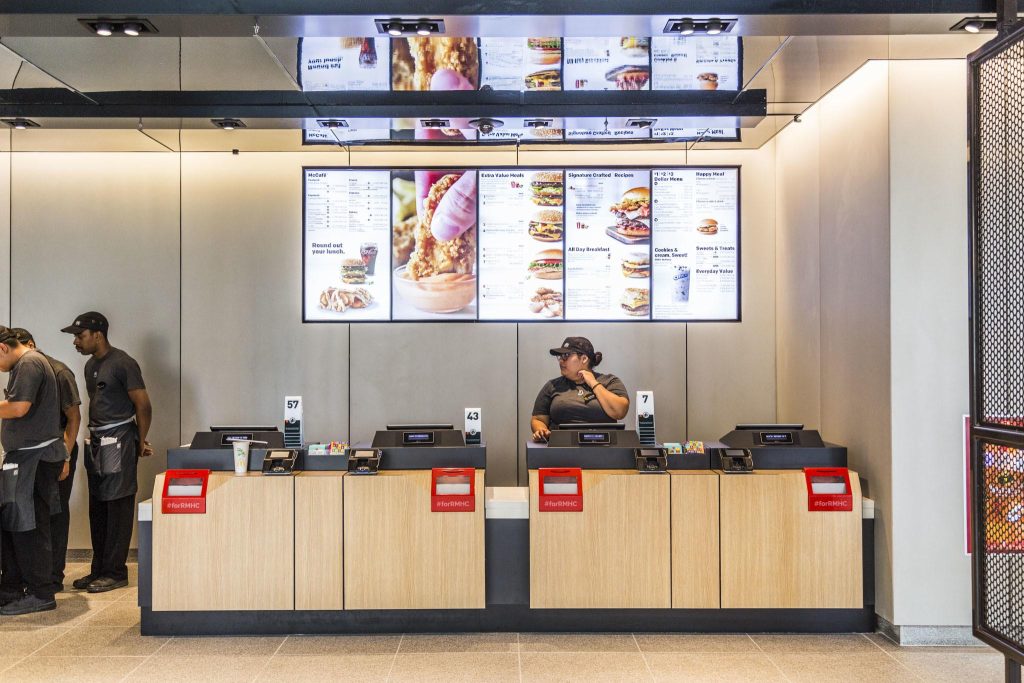
They will hear “automation” and use it as an excuse to strip hospitality out of the restaurant. QR codes everywhere, fewer touchpoints, slower help, no warmth, no recovery when something goes wrong. That might reduce labor on paper. It also gives guests one less reason to choose you over a cheaper alternative.
The real opportunity is not automation versus hospitality. It is automation in service of hospitality.
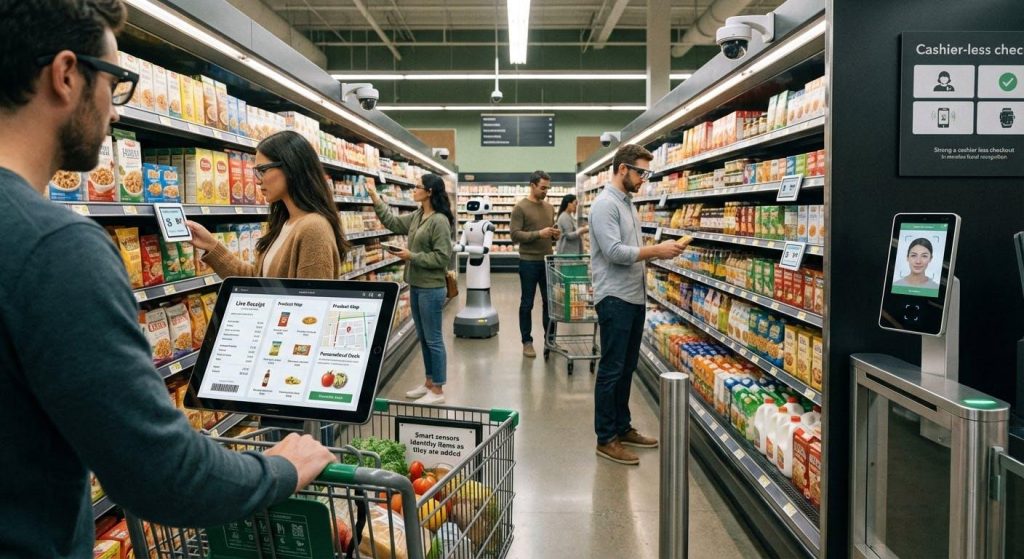
Use technology to remove low-value friction: scheduling, inventory alerts, prep forecasting, reservation flow, waitlist communication, loyalty tracking, review response drafting, purchasing visibility, and repetitive admin. The National Restaurant Association expects operators to invest more in tools that improve efficiency and strengthen guest connections, including ordering, AI, and data analytics.
But the dining room still needs humans who notice things.
A guest waiting too long. A table that needs reassurance. A regular who changed their usual order. A delivery driver clogging the host stand. A bad dish before it becomes a bad review.
Technology should give managers more time to manage, not create a colder restaurant.
The best operators will use systems to protect the human moments that actually drive loyalty.
Marketing has to move from attention to retention.
Restaurants have become too obsessed with visibility.
More reels. More influencers. More boosted posts. More “content.” Some of it works. Much of it creates noise without repeat business.
The hard truth: if your retention is weak, more awareness just pours water into a cracked bucket.
A restaurant with uneven traffic should not only ask, “How do we get new people in?” It should ask:
Why did last month’s first-time guests not come back?
Do we have a direct way to reach our best customers?
Are we building habits around specific occasions?
Do guests know what to come back for?
Are we giving regulars status, recognition, or convenience?
Are we tracking which campaigns bring profitable guests, not just likes?
The best marketing in 2026 is not louder. It is more connected to the P&L.
A neighborhood restaurant might build a Tuesday regulars program instead of chasing random weekend traffic it cannot properly serve. A multi-location group might segment guests by behavior: weekday lunch, family dinner, delivery-only, lapsed regulars, private events. A coffee shop might stop discounting drinks and instead build a prepaid office catering product. A full-service restaurant might use birthdays, anniversaries, and private dining follow-ups as a retention engine.
Social media should support these systems. It should not replace them.
The smartest growth may come from underused capacity.
When traffic is uneven, the answer is not always more seats. Sometimes it is better use of the seats, hours, people, and kitchen capacity you already have.
Look at the business by daypart and occasion.
Can slow afternoons support catering prep, private events, bakery production, corporate lunch drops, meal kits, or cooking classes?
Can Monday to Wednesday become a controlled-margin set menu instead of a discount graveyard?
Can brunch be simplified so it is profitable, not just busy?
Can the bar program adapt as some guests drink less alcohol by building stronger nonalcoholic, low-ABV, coffee, tea, or dessert beverage margins?
Can catering solve a weekday revenue problem without overwhelming dinner service?
Can events create guaranteed covers instead of waiting for walk-ins?
This is the operator mindset: not “How do I get more traffic?” but “Where is my existing capacity under-monetized, and what kind of demand fits it profitably?”
That question is less sexy than a viral campaign. It is also more likely to save the year.
Europe and the U.S. are different markets, but the operator problem is similar.
The policy environment varies by country, but the core tension is familiar: costs are rising faster than many guests’ willingness to absorb higher prices.
In the UK, hospitality trade groups warned that April 2026 cost increases would push 64% of businesses to cut jobs, 51% to cancel investment plans, and 42% to reduce trading hours, with energy costs affecting profitability for 93% of surveyed businesses. In Ireland, recent reporting tied to Restaurants Association of Ireland data showed many food-led businesses cutting hours, delaying investment, and facing labor costs above 40% of turnover.
For operators, the conclusion is uncomfortable but clear: you cannot wait for the market to become easy again.
Maybe rates improve. Maybe food inflation cools. Maybe consumer confidence improves. Maybe office traffic comes back in certain cities. Maybe policy relief arrives in some markets.
Good. Take the help if it comes.
But do not build a restaurant strategy that depends on rescue.
Build one that can survive uneven demand.
The restaurants that win in 2026 will be disciplined, not desperate.
The margin squeeze is not just a cost problem. It is a clarity problem.
Too many restaurants are trying to be everything: affordable but premium, fast but full-service, delivery-friendly but dine-in focused, trendy but consistent, high-touch but understaffed, visible online but disconnected from repeat guests.
That does not work anymore.
The restaurants that grow sales while traffic stays uneven will make sharper choices.
They will know which guests they serve best. They will price with intention. They will engineer menus around contribution, not ego. They will use delivery carefully. They will market to bring people back, not just bring people in. They will automate the background while protecting hospitality in the foreground. They will chase profitable demand, not vanity volume.
The lesson of 2026 is simple, but not easy:
A busy restaurant is not automatically a healthy restaurant.
Healthy restaurants understand the math behind the magic, and they protect both.