

October’s CPI shows costs rising unevenly across the menu. Here is how to protect margin without losing the regulars who pay your bills.
Every operator knows the feeling of opening the invoice from the protein supplier and doing the math twice. October’s inflation report put numbers on it. Food prices rose 0.5% after no change in September, with grocery prices up 0.4% and food away from home up 0.5%. It was the largest grocery increase since April, and beef was the driver, up 0.9% in a month. vinetursupermarketnews
Here is the part that matters more than the headline. Full-service meals rose 0.7%, so restaurants are already passing costs along. Your guests are shopping in the same grocery aisles you are, and they feel the same squeeze. staradvertiser
That is the real tension: the price you need to charge and the price your guest is willing to pay are moving toward each other, and the gap is narrowing.
Inflation Is Not Evenly Distributed, and Your Menu Shouldn’t Be Either
The “food is up 0.5%” number hides the story. In August, BLS averages showed ground beef at $6.92 a pound, up 10% year over year, while eggs were down 37% and chicken was down 3%. Coffee, too, sat 5% higher. USDA projects the beef pressure will last, with beef and veal forecast to rise 9.8% in 2026. Herd rebuilding is slow, so the relief is not coming this winter. Food prices +2
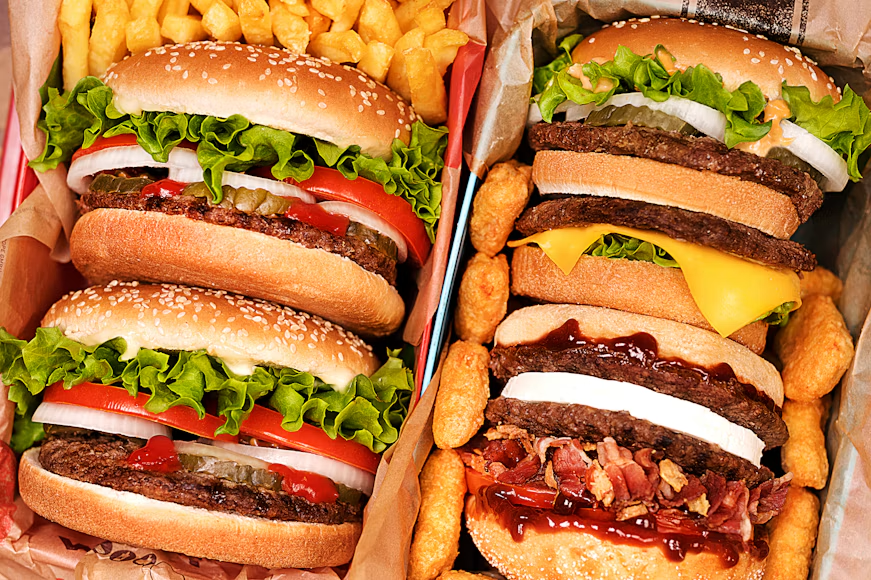
Most operators respond to this with a blanket price increase of 3-5% across the menu. That is the most common mistake, and it fails in two ways. It overcharges guests on items where your costs haven’t moved, which is where they notice it most. And it undercharges on the items actually hurting you, because a 4% bump on a burger with a 10% protein cost increase still loses ground.
The smarter approach is surgical. Pull your last 90 days of sales mix and cost every item at current invoice prices. Then sort dishes into three buckets:
- Cost-exposed and price-sensitive (the burger, the steak sandwich): protect these. Adjust the build, not just the price.
- Cost-exposed and low-visibility (a premium steak special, a market-price item): move price freely. Guests ordering these are buying an occasion.
- Cost-stable (egg dishes, chicken, vegetarian plates): hold price, and promote them.
Stop Managing Food Cost Percentage. Manage Dollars Per Plate.
Food cost percentage is a comfortable metric that quietly misleads you during inflation. If beef rises and you raise the burger’s price to keep a 30% food cost, the percentage looks fine. But you are now earning fewer margin dollars per plate than a year ago, with the same labor, rent and utilities behind it.
What pays the electric bill is contribution margin: price minus plate cost, in dollars. A $9 egg-and-potato brunch plate at 22% cost clears more cash than a $19 burger at 34%, and it costs you less sleep. Operators who shift attention from “how do I fix my burger percentage” to “how do I sell more of what makes real dollars” make better decisions.
In practice that means menu placement and server language. If eggs are deflating and beef is climbing, your weekend brunch menu and your all-day breakfast items are your margin engine this winter. Put them first, name them well, and train staff to recommend them naturally.
Don’t Shrink the Plate Quietly
When costs jump, the temptation is to trim the portion rather than touch the price. Guests don’t read that as a favor. Regulars know what a plate looks like, and they notice when it changes before they notice a dollar on the menu. Shrinkflation does hold up in packaged goods, where it’s hard to compare, but it rarely survives in a dining room, where the guest literally sees the plate.
The restaurant industry is already learning how fragile traffic is. Portillo’s recent growth came mostly from pricing, with traffic falling 0.7%. McDonald’s traffic fell in Q3 as cost-conscious customers pushed back, and the chain has leaned harder on deals to win them back. If price alone were enough, those chains would not be rebuilding their value message. restaurantdiveemarketer
If you must change a spec, change it where the guest gets something in return. Replace the 8 oz patty with a 6 oz double-smash that eats better, or build the plate around a sauce, a side or a texture that feels intentional. Redesign, don’t downsize.
Value Is a Message, Not a Discount
There is a lazy version of “value” that restaurants default to: a coupon, a happy-hour special, a promo on a delivery platform. All of these cost margin, train guests to wait for deals, and attract the least loyal customers.
A smarter version of value is price architecture:
- Keep one genuinely good entry-level item at a fair price, so the menu feels accessible.
- Put a high-margin anchor next to it. Guests compare against it and the middle options look reasonable.
- Offer a “better value than it looks” combination, like a shared starter and main, where the margin is healthy but the guest feels clever.
On delivery apps, remember that commissions already take a bite. Many operators run a modest menu markup there, and it should be a deliberate choice rather than an accident. Discounting on top of fees can turn a sale into a loss.
Supplier Talks Matter More Than Menu Rewrites
Because beef pressure is structural, the procurement conversation deserves as much attention as the menu. Ask your distributor for price-lock windows on your top three proteins. Compare cuts: a chuck-based blend or a trim-forward grind can hold flavor at a lower cost per ounce. Ask what’s trending down. With eggs and poultry soft, some operators are building weekly specials around whatever is cheap that week, instead of printing menus that lock them into expensive ingredients for months.
A flexible “market plate” or chef’s special, priced to the cost of the day, gives you room to protect margin without touching the core menu. It also gives guests a reason to return, because the offer changes.
The Holiday Table Is Your Test Case
Thanksgiving falls on Nov. 26, and holiday dining is where price sensitivity and special-occasion spending collide. Guests will forgive a higher check for a meal that feels like an event, and they’ll resent a higher check for something ordinary. For prix fixe holiday menus and takeaway meals, price per head with confidence, show the value (what’s included, what’s made in-house) and cap the options so your kitchen can execute and your waste stays low.
The Takeaway
Inflation isn’t a one-time event you wait out. It’s now a permanent operating condition, and it rewards operators who know their numbers at the dish level and punishes those who react with blunt tools. Price with precision. Measure in dollars, not percentages. Protect the plate guests recognize. Treat value as a promise you keep, not a discount you give.
The beef will stay expensive. Your margin doesn’t have to.