

The Restaurant Sales Playbook That Still Works When Discounts, Delivery, and “More Posts” Stop Working
If sales feel stuck, the answer usually is not more noise. It is a smarter mix of pricing, positioning, repeat business, and operational discipline.
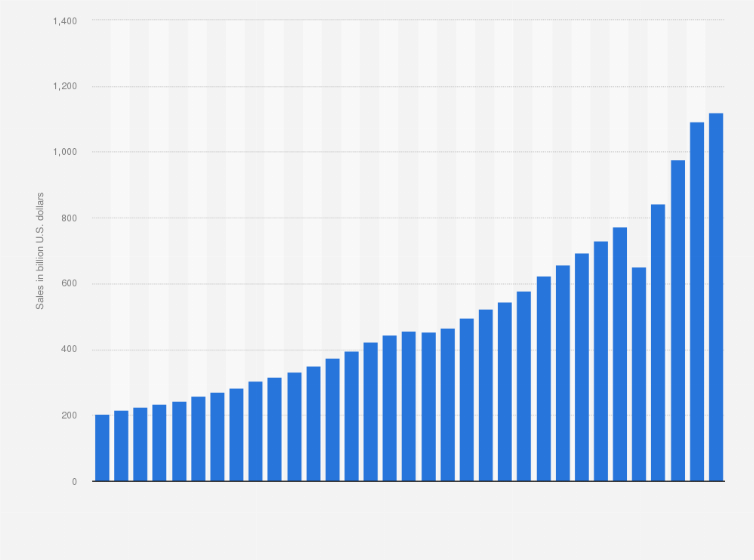
Running a restaurant in 2026 is harder than most outsiders understand. Demand is still there, but it is more selective. In the US, the National Restaurant Association projects industry sales growth in 2026, yet operators are still dealing with elevated labor costs and continued difficulty hiring experienced staff. At the same time, guests are more value-conscious, more willing to judge you on convenience, and less forgiving when quality slips.
That is why “just do more marketing” is weak advice.
More sales do not come from throwing random offers on Instagram, joining every delivery platform, or copying what a viral brand did in another city. Sales grow when more of the right people choose you, spend more when they do, come back faster, and talk about you in ways that reduce your future acquisition cost.
That is the game now.
Stop Chasing Traffic, Fix the Sales Engine First
A lot of restaurant owners say they need more customers when the real problem is that their current customer flow is underperforming.
Before you spend another dollar on marketing, look at four numbers:
- How many guests you serve
- Average check
- Visit frequency
- Margin by channel
If your dining room is busy but profits are still flat, the issue is rarely awareness. It is usually one of these:
- the menu is not guiding spend
- your best sellers are not your most profitable items
- staff are not trained to upsell naturally
- off-premise orders are diluting margins
- first-time guests are not turning into regulars
Bad operators try to solve a weak system with more traffic.
Smart operators tighten the system first, then scale demand into something that actually pays.
Raise Sales Without Training Guests to Wait for Discounts
Discounting feels productive because it creates movement. But it often attracts the wrong behavior. Customers learn to wait, margins shrink, and your brand gets positioned around price instead of preference.
That does not mean value is unimportant. It means value must be designed carefully.
There is a big difference between these two strategies:
Weak strategy:
20 percent off this weekend only
Stronger strategy:
A fixed-price lunch bundle, a high-margin add-on pairing, a weekday set menu, or a family meal package with clear perceived value
Today’s guest is cost-conscious, but that does not automatically mean they want the cheapest option. They want to feel that what they paid was worth it. McKinsey notes that cost consciousness and channel choice are reshaping restaurant behavior, while recent reporting suggests many operators have hit a ceiling on how far menu prices can rise before profits and guest sentiment suffer.
The better move is to create offers that protect margin while making the decision easier for the guest.
Examples:
- A lunch combo that speeds decision making and improves throughput
- A date-night package that increases check size without feeling pushy
- A pre-theater menu in urban markets
- A weekday neighborhood loyalty offer, not a public discount blast
- Premium non-alcoholic beverage pairings for guests cutting back on alcohol
That last point matters more than many owners realize. Consumer trend reporting in 2026 has highlighted strong interest in value, comfort, and non-alcoholic beverage growth.
Engineer the Menu for Profit, Not Just Popularity
Most menus are overloaded, under-disciplined, and emotionally designed instead of commercially designed.
Owners keep weak items because a few regulars like them, because the chef is attached to them, or because removing them feels risky. Meanwhile, the menu becomes harder to execute, slower to explain, and less profitable to run.
If you want higher sales, start here:
Cut friction from the menu
A guest should understand what you are known for within seconds. If your menu tries to be everything, it usually sells less of what matters most.
Push your profitable heroes forward
Not just best sellers. Profitable heroes. There is a difference.
Use placement, naming, box treatments, staff prompts, and pairings to steer orders toward items that drive contribution margin.
Build add-ons into the decision flow
Do not leave add-ons to chance. Attach them to the core order.
Examples:
- burger plus upgraded fries
- pasta plus protein add-on
- brunch plus specialty coffee
- tasting menu plus premium zero-proof pairing
Audit menu complexity against labor reality
If labor remains expensive and experienced staff are hard to retain, overly complex menus become a hidden tax on sales growth. The National Restaurant Association has continued to flag labor pressure and hiring difficulty as major operator concerns.
A simpler, sharper menu often sells better because it is easier to execute consistently.
Your Staff Still Drives Revenue More Than Your Social Media Does
Social media can create attention. Staff convert that attention into money.
A restaurant with average marketing and excellent floor execution will usually outperform a restaurant with strong content and weak service.
This is where owners often miss the point. They tell staff to “upsell more,” which usually leads to awkward, robotic selling. That approach fails.
Instead, train for guided selling:
- what to recommend for first-time guests
- what pairs naturally with each signature dish
- how to steer undecided guests quickly
- how to describe premium items with confidence
- how to recover a table before a mediocre experience becomes a bad review
The goal is not aggressive salesmanship. It is reducing decision fatigue and increasing trust.
That matters because diners are becoming more selective about what feels worth the money. When quality, hospitality, and confidence are obvious, check averages rise with less resistance.
Delivery Can Grow Revenue, But It Can Also Quietly Kill Profit
A lot of restaurants confuse off-premise sales with good sales.
Yes, delivery can add volume. But volume without margin discipline is a trap. Industry reporting in 2026 indicates that many independent operators are finding online ordering and delivery less profitable than expected, especially once fees, packaging, promo dependency, and operational disruption are counted properly.
The smarter question is not, “How do we get more delivery orders?”
It is, “Which off-premise channels actually make us money?”
You need channel-level clarity:
- Dine-in
- Direct pickup
- First-party online ordering
- Third-party delivery
- Catering
- Private events
- Corporate orders
In many cases, pickup is the hidden winner. It offers convenience without the fee drag and often gives you better control over guest data and repeat marketing.
For plenty of operators, the real growth move is not expanding delivery. It is shifting customers from third-party delivery to direct reorder behavior.
That means:
- better pickup experience
- stronger packaging for collection
- direct-order incentives
- email and SMS retention after purchase
- inserts that drive the second order
The Cheapest Sale Is the One You Do Not Have to Re-Acquire
Too many restaurants obsess over reach and ignore retention.
That is backward.
A first-time guest is expensive. A repeat guest is where economics improve. Yet many operators still have no real follow-up system beyond hoping the customer remembers them.
Repeat business is built intentionally.
Capture customer data without making it awkward
Use Wi-Fi capture, online ordering, reservation follow-up, loyalty, event sign-ups, and QR-based receipt incentives. Keep it simple and useful.
Give people a reason to return soon
Not someday. Soon.
The second visit window matters. If a guest enjoyed you last week, that is when your brand is most alive in their mind.
Segment instead of blasting everyone
Your lunch regulars should not get the same message as your weekend date-night crowd. Families, office workers, local residents, event diners, and high-frequency regulars respond to different offers.
Reward behavior you want more of
Do not just give random points. Encourage profitable actions:
- weekday visits
- direct ordering
- trying premium items
- bringing in another guest
- larger group bookings
The operators who win the next few years will not just market better. They will build better memory with their customer base.
Reviews and Google Visibility Are Revenue Channels, Not Vanity Metrics
Many restaurants still treat reviews as a reputation issue only. That is too narrow.
Reviews affect discovery, conversion, trust, and local search performance. They influence whether a new customer chooses you or the place three blocks away.
But here is the mistake: owners focus only on getting more reviews.
Volume matters, but review content matters too. A review that says “good food” helps less than one that says:
- fast service before a show
- great value lunch
- best halal option nearby
- perfect for date night
- gluten-free handled well
- ideal for business meetings
Those details sell.
To increase sales, shape the feedback loop:
- ask at the right moment
- train staff to invite honest reviews naturally
- respond professionally
- look for recurring language
- use those phrases in your website, menu descriptions, and Google Business Profile
Your customers often write your best marketing copy for you. Most owners are too disorganized to use it.
Most Restaurant Marketing Fails Because It Is Too Broad
“Post more on Instagram” is not a strategy.
Restaurants grow faster when they choose a sharper angle. You do not need to be famous. You need to be obvious to the right people.
That could mean:
- the reliable neighborhood spot for busy professionals
- the place for family-style weekend meals
- the best quick lunch within a five-minute office radius
- the date-night restaurant with great pacing and atmosphere
- the local favorite for private events and birthdays
- the premium casual concept with strong pickup convenience
Once that position is clear, marketing becomes easier:
- your photos get better
- your captions get more specific
- your offers make sense
- your local partnerships become relevant
- your Google listing becomes more persuasive
- your staff describes the concept more consistently
Broad brands blur into the market. Sharp brands get remembered.
Increase Sales by Selling More Than Tables
If your only revenue model is regular meal periods, you are leaving money on the table.
That does not mean launching gimmicks. It means finding adjacent revenue streams that fit your concept and operations.
Examples:
- catering for offices and schools
- private dining packages
- chef’s table nights
- holiday preorder bundles
- meal kits
- branded retail items
- tasting experiences
- community partnerships
- corporate lunch subscriptions
- event-driven menus tied to local demand
In tourism-heavy or high-footfall European markets, seasonal and experiential demand can matter even more. In destinations with strong inbound travel, hospitality growth is closely tied to adapting to personalization, experience, and local demand patterns.
The important point is this: the best additional revenue streams are the ones your existing team and brand can support without chaos.
Do not add complexity that breaks the core business.
What Restaurant Owners Commonly Get Wrong
There are a few patterns that show up over and over.
Mistake 1: Trying to grow sales with pure top-of-funnel marketing
If retention, menu design, and guest conversion are weak, more traffic just means more wasted spend.
Mistake 2: Using discounts as the first solution
It trains bad behavior and weakens brand perception unless it is highly controlled.
Mistake 3: Looking at revenue instead of channel profitability
A busy delivery channel can be less valuable than a smaller but stronger pickup channel.
Mistake 4: Keeping menus too large
Complexity hurts speed, consistency, labor efficiency, and margin.
Mistake 5: Ignoring repeat visit systems
If you are not building a database and following up, you are constantly paying to reacquire your own customers.
Mistake 6: Expecting social media to carry a weak concept
Marketing amplifies. It does not rescue.
The Practical Way to Increase Restaurant Sales in 2026
If I were advising a restaurant owner with flat or inconsistent growth, I would not start with a giant rebrand or a bloated marketing plan.
I would focus on this order:
- Audit channel profitability
- Simplify and re-engineer the menu
- Increase average check through structured add-ons and better guided selling
- Improve the direct-order and pickup experience
- Build a real repeat-visit system through loyalty, email, SMS, and reservations follow-up
- Tighten Google Business Profile and review strategy
- Run targeted campaigns only after the fundamentals are fixed
That is not flashy. It is effective.
Because the truth is, most restaurants do not need more random marketing. They need a better commercial system.
Closing: Sales Growth Comes From Precision, Not More Noise
The restaurants that grow now are not necessarily the loudest, trendiest, or most aggressive on social media.
They are the ones that understand a harder truth: in this market, sales improve when the business gets sharper.
Sharper menu. Sharper positioning. Sharper retention. Sharper channel mix. Sharper execution.
That is what makes more guests say yes, spend confidently, come back faster, and recommend you without being asked twice.
So if sales are flat, do not start by asking how to get louder.
Start by asking where your current business is leaking money, attention, and repeat behavior.
Fix that first.
Then grow.