

Big brands are cutting weak stores. Smart independents should read the signal differently: the market is not dead, but average restaurants are getting exposed.
Restaurant owners do not need another cheerful article telling them “people still love dining out.” Of course they do. That was never the problem.
The problem is that guests still want restaurants, but they are becoming far less forgiving about what they will pay for. They are comparing your $18 burger to the grocery bill, the delivery fee, the tip screen, the slow service, the portion size, the noise level, and the memory of the last meal that disappointed them.
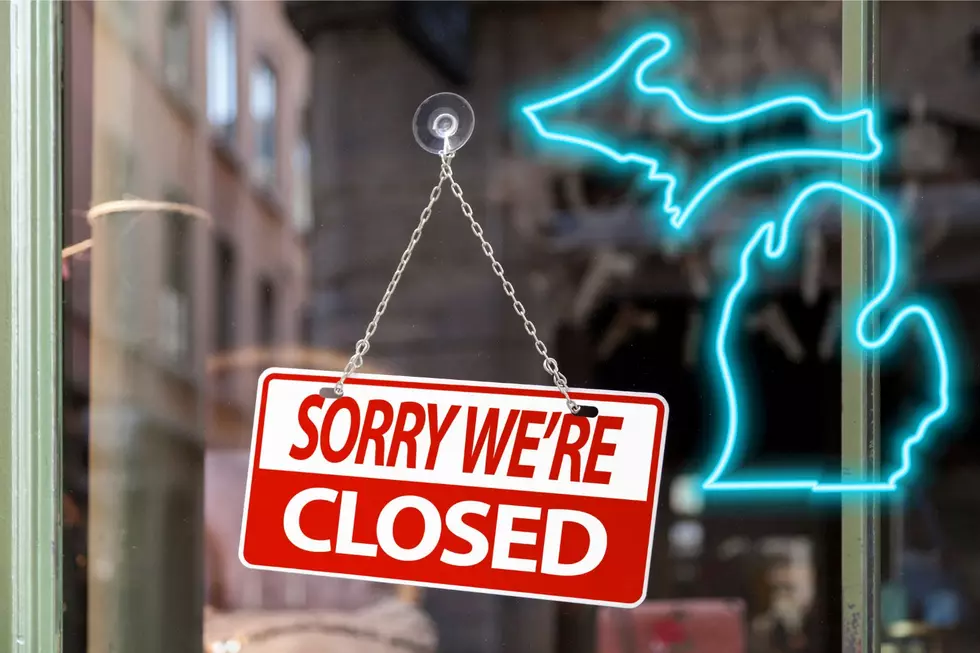
That is why the wave of chain closures in 2026 matters. Wendy’s, Pizza Hut, Papa John’s, Jack in the Box and others are closing underperforming stores, not because the restaurant business has disappeared, but because mediocre unit economics are no longer being tolerated. Wendy’s has been working through a turnaround that includes U.S. closures, Pizza Hut is being sold after years of lagging performance, and Papa John’s plans to close hundreds of underperforming North American restaurants by 2027.
For independents, this is both a warning and an opening.
The warning: weak restaurants are being punished faster.
The opportunity: chains are often too slow, too standardized, and too burdened by legacy real estate to adapt as sharply as a focused local operator can.
This Is Not a Restaurant Apocalypse. It Is a Margin Reset.
The lazy interpretation is: “Chains are closing, so the whole industry must be collapsing.”
That is not quite right.
The U.S. restaurant industry is still projected to reach $1.55 trillion in sales in 2026, with modest real growth, according to the National Restaurant Association. Demand is still there. But the same report environment points to the real issue: growth is not automatically translating into profit when food, labor, rent, insurance, utilities, debt service, and customer acquisition costs keep eating the spread.
That distinction matters.
A restaurant can be busy and still be unhealthy. A Saturday night waitlist does not mean the business model works. A packed dining room can hide poor prep discipline, overstaffed slow periods, unprofitable delivery orders, a bloated menu, or discounts that buy traffic but destroy margin.
Chains are closing stores because the math on certain units no longer works. Low-volume stores with aging assets, weak trade areas, high rents, poor franchisee execution, and declining guest relevance become a drag. When capital gets tighter, companies stop pretending every location deserves saving.
Independent operators should apply the same discipline before the market applies it for them.
Chains Have Scale, But Scale Can Become a Trap
Chains usually win on purchasing power, systems, marketing budgets, and brand recognition. That is real. An independent owner should not romanticize the fight.
But scale has weaknesses too.
Large chains often carry old store formats, franchise politics, national discount strategies, slow menu approval processes, and brand promises that have been diluted over time. A chain may know exactly what is wrong with a location and still take years to fix it.
An independent can change the menu this week. Retrain service tomorrow. Remove a low-margin item immediately. Build a catering relationship with the office tower down the street. Turn a quiet Tuesday into a private dining night. Personally respond to regulars. Create a dish that belongs to the neighborhood, not a national campaign calendar.
That speed is an advantage, but only if the owner uses it.
Too many independents act like small chains with worse systems. Same oversized menu. Same vague “something for everyone” positioning. Same dependence on delivery apps. Same discount reflex. Same social media posts with no strategy behind them.
Being independent is not automatically a strength. Local relevance is the strength. Operational focus is the strength. Owner-level urgency is the strength.
The Guest Has Changed: Value Does Not Mean Cheap
The most dangerous mistake in 2026 is confusing value with low price.
Guests are not simply asking, “What is the cheapest meal?” They are asking, “Was that worth it?”
That question is brutal because it includes everything: food quality, portion size, hospitality, speed, cleanliness, atmosphere, convenience, emotional payoff, and whether the bill felt insulting at the end.
Fast food chains are feeling this because many customers no longer see a clear gap between fast food pricing and casual dining pricing. Delivery makes it worse. Once menu markups, service fees, delivery fees, and tips stack up, a basic order can feel absurd. McKinsey’s 2026 restaurant consumer research found pickup frequency rising while delivery showed pressure, including lower average basket value and spend per unit.
That creates an opening for independents.
A local restaurant does not have to be cheaper than a chain. It has to feel more worth it.
That may mean a tighter lunch special that gets people in and out quickly. It may mean a family meal bundle that beats delivery-app chaos. It may mean a $24 entrée that is genuinely craveable, plated with care, and served by someone who makes the guest feel seen.
Bad advice says: “Run more discounts.”
Smarter alternative: create value architecture.
That means having clear options for different guest missions: quick lunch, casual date, family takeout, premium weekend visit, group catering, and loyal regular. Each offer should have a job. Not every item needs to be cheap. But every price point needs to make sense.
The Menu Is Now a Profit Strategy, Not a Creative Exercise
A bloated menu used to be inefficient. Now it is dangerous.
Every extra SKU adds purchasing complexity, training friction, waste risk, prep time, inventory confusion, and inconsistency. Chains are learning this the hard way because complexity crushes speed and franchisee execution. Independents feel it too, but often excuse it as “variety.”
Variety is not strategy.
If your menu has 80 items and only 18 of them drive most of the profit, the other 62 are probably not harmless. They are stealing focus from the kitchen, slowing ticket times, confusing guests, and hiding your winners.
A strong 2026 menu should answer four questions:
What brings people in?
What makes money?
What travels well?
What makes guests come back?
If an item does none of those, it needs to fight for its place.
This is especially true for delivery. Some items are profitable in-house and terrible off-premise. Fries die in transit. Sauces leak. Premium plating disappears in a plastic container. If the guest experiences your food for the first time through a compromised delivery order, you may have paid a third-party platform to damage your brand.
Do not put your whole restaurant on delivery apps just because the app makes it easy. Engineer a delivery menu. Protect the dishes that protect your reputation.
Marketing Is Not More Posting. It Is Demand Control.
Restaurant owners are tired of social media because most of it does not pay.
A reel gets views. A post gets likes. A boosted special gets a few redemptions. Then nothing compounds.
The problem is not that digital marketing does not work. The problem is that many restaurants use it like noise instead of infrastructure.
Chains have big media budgets, loyalty apps, agencies, and national campaigns. Independents need a different playbook. You need to own local demand, not chase viral attention.
That starts with basics most restaurants still underuse:
Your Google Business Profile should be treated like a storefront, not a listing. Photos should be current. Hours must be accurate. Reviews need responses. Popular dishes should be visible. Private events, catering, lunch specials, and seasonal menus should be easy to find.
Your email and SMS list should not be an afterthought. A customer who already visited is cheaper to bring back than a stranger you are trying to reach through ads. If you are relying only on Instagram to reach regulars, you are building on rented land.
Your offers should be tied to actual business needs. Do not discount Friday night if Friday night is already full. Build Tuesday. Build early dinner. Build catering. Build pickup. Build the slow season before it arrives.
Common mistake: “We need more awareness.”
Better question: “Which daypart, product, or guest segment needs more profitable demand?”
That shift alone separates operators from hobbyists.
Hospitality Is the Independent’s Unfair Advantage
Automation is coming into the restaurant business for good reasons. Labor is expensive. Hiring is difficult. Training takes time. Operators are under pressure to do more with fewer people. In the UK and parts of Europe, hospitality operators are also dealing with heavy tax, wage, energy, and property-cost pressure; UKHospitality has warned closures could accelerate in 2026 as businesses absorb rising costs.
So yes, use technology.
Use scheduling tools. Use inventory systems. Use online ordering. Use AI for menu descriptions, review analysis, prep planning, staff training materials, and customer segmentation. Use kiosks if they fit your model.
But do not automate away the one thing chains struggle to fake: genuine hospitality.
A guest can forgive a slightly higher price if they feel cared for. They can forgive a wait if the communication is honest. They can become loyal when the owner remembers them, the server guides them well, and the restaurant feels like it has a point of view.
The future is not “automation vs hospitality.”
The future is automation underneath, hospitality on top.
Use technology to remove friction from the operation so your people can spend more energy on the guest. If technology makes the experience colder, you are using it wrong.
The Independent Playbook: Smaller, Sharper, More Profitable
The restaurants that win from this reset will not necessarily be the trendiest. They will be the clearest.
Clear concept.
Clear menu.
Clear numbers.
Clear guest promise.
Clear reason to return.
That may look like a neighborhood Italian restaurant that cuts its menu by 30%, builds a profitable family-style pickup program, and turns regulars into weekday traffic.
It may be a fast-casual operator that stops chasing every delivery order and instead builds direct online ordering with pickup perks.
It may be a multi-location group that closes one weak store before it drains management attention from the three strong ones.
It may be a café that realizes its real profit is not another pastry photo on Instagram, but office catering, subscription coffee, and a better morning rush system.
The point is not to copy chains. The point is to learn from their pain.
When large brands close locations, they are admitting something every operator should take seriously: not all revenue is good revenue, not all traffic is profitable traffic, and not every location deserves more capital.
The Closing Lesson
Chain closures in 2026 are not proof that restaurants are finished. They are proof that the market has less patience for weak economics, lazy positioning, and average guest experiences.
That should make owners uncomfortable. Good.
Comfort is expensive in this business.
Independent restaurants can still win, but not by being smaller versions of the chains. They win by being more disciplined, more local, more human, and faster to fix what is not working.
The operators who survive this period will not be the ones who simply “hang in there.” They will be the ones who face the numbers, sharpen the offer, protect the guest experience, and stop confusing activity with progress.
The market is not closing the door on restaurants.
It is closing the door on restaurants that cannot prove why they deserve the next visit.