


Diners want nostalgia, global flavor, wellness, and value at the same time. That sounds messy. Handled well, it can become one of the most profitable menu opportunities of 2026.
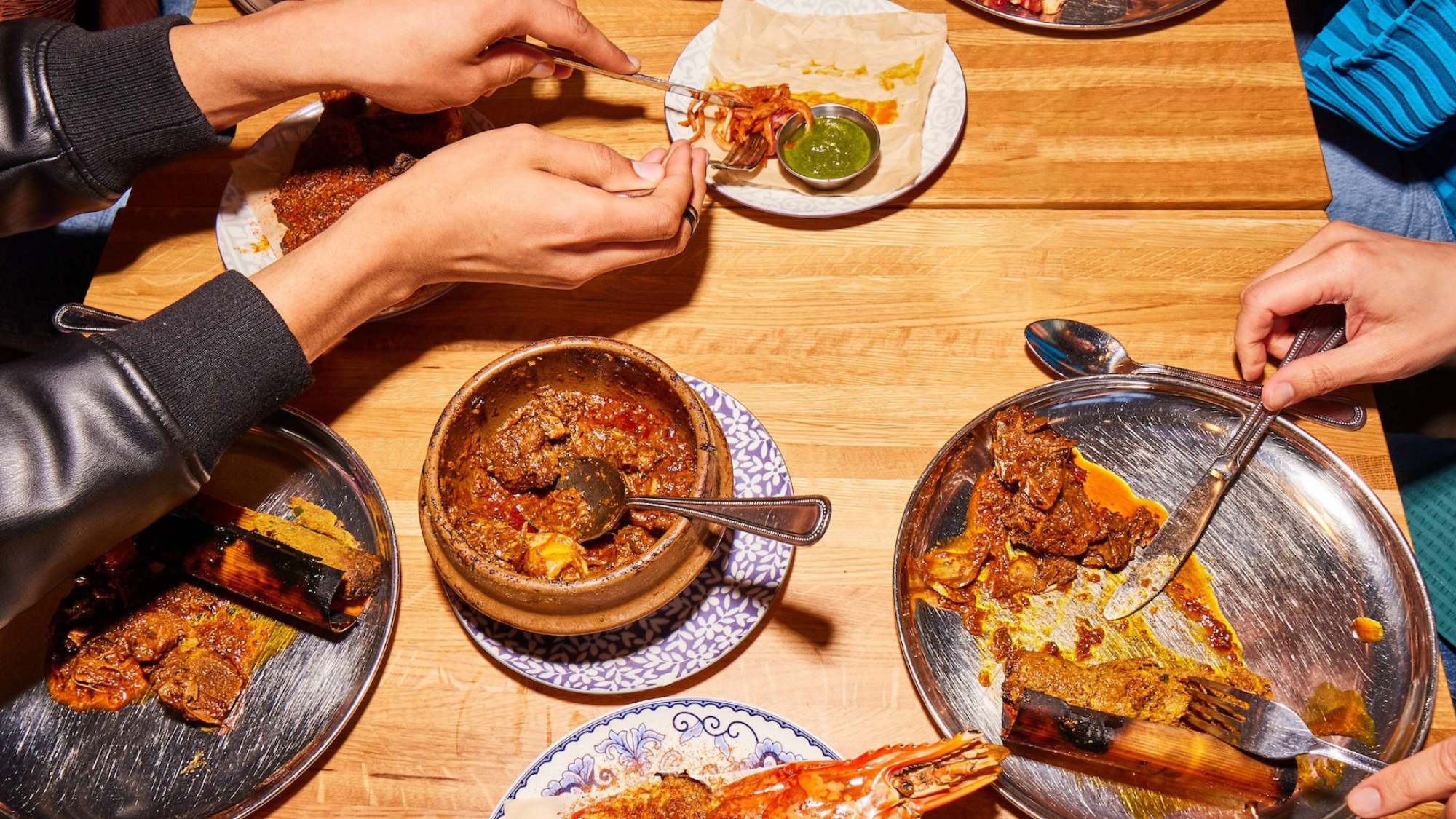
Restaurant customers are not behaving like they did five years ago.
They still want indulgence, but they also want to feel better after eating. They want familiar food, but not boring food. They want global flavors, but not a menu that reads like a geography lesson. They want value, but they are not impressed by cheap food that feels cheap.
That is the tension behind one of the biggest menu shifts of 2026: the return of comfort food, rebuilt with global flavor and wellness cues.
The National Restaurant Association’s 2026 culinary forecast points to comfort, nostalgia, global flavors, wellness, and value as major forces shaping menus. That makes sense. After years of inflation, social fatigue, delivery overload, staffing pressure, and constant “trend” noise, diners are looking for food that feels emotionally safe but still interesting enough to justify the spend.
For restaurant operators, this is not a license to throw kimchi on a burger, add “protein-packed” to the menu description, and call it innovation.
That is lazy. And customers can smell lazy.
The real opportunity is sharper: use comfort food as the base, global flavor as the excitement, wellness as the permission, and value as the reason to come back.
The Old Comfort Food Playbook Is Too Heavy for Today’s Customer
Comfort food used to mean big portions, melted cheese, fried sides, creamy sauces, and a plate that made the guest feel like they got their money’s worth.
That still works sometimes. But not as a full strategy.
The issue is not that diners stopped loving burgers, pasta, fried chicken, noodles, curry, pies, or sandwiches. They absolutely did not. The issue is that the customer now carries more internal conflict into the restaurant.
They want comfort, but they are watching their spending.
They want indulgence, but they are thinking about energy, protein, gut health, alcohol intake, and how they will feel tomorrow morning.
They want novelty, but they are tired of gimmicks.
This is where many operators get it wrong. They hear “wellness” and assume the answer is a sad salad, a low-calorie bowl, or a vegan item nobody on the team can sell with conviction. Then they wonder why the dish dies after three weeks.
Wellness in 2026 does not always mean restriction. Often, it means reassurance.
A guest ordering a spicy chicken rice bowl with pickled vegetables, herbs, yogurt sauce, and a clear protein cue may not think they are making a “health food” decision. But they do feel like they made a better decision than ordering something greasy and one-dimensional.
That matters.
The smarter question is not, “How do we make comfort food healthy?”
The smarter question is, “How do we make comfort food feel satisfying without making the guest feel like they made a bad decision?”
Global Flavor Works Best When It Makes Familiar Food More Craveable
Global flavor is not new. What is changing is how mainstream it has become.
Customers in the U.S. and Europe are more comfortable with gochujang, harissa, salsa macha, za’atar, yuzu, miso, tahini, curry, chimichurri, chili crisp, peri-peri, and fermented flavors than they were a decade ago. But that does not mean every restaurant should suddenly become a global fusion concept.
That is where operators get themselves into trouble.
Bad approach: “Let’s add a Korean taco, a Thai pizza, a Moroccan bowl, and a Japanese burger.”
That creates menu confusion, prep complexity, staff training problems, inventory waste, and a brand that feels like it was built from TikTok scraps.
Better approach: take one or two comfort platforms your guests already trust and build controlled global flavor variations around them.
A burger restaurant does not need ten international burgers. It may need one excellent global burger that earns attention: a smash burger with gochujang onions, sharp pickles, sesame slaw, and a sauce that actually balances heat, fat, and acidity.
A pasta restaurant does not need to become pan-Asian. It might introduce a miso brown butter mushroom pasta that feels familiar, rich, and slightly unexpected.
A chicken shop does not need a world tour. It might offer peri-peri grilled chicken with crispy potatoes, yogurt-herb sauce, and a bright salad that gives customers comfort and freshness in the same meal.
The point is discipline.
Global flavor should deepen craveability. It should not make the menu look like the chef and the marketing team were fighting.
Nostalgia Is Powerful, But Only If You Respect the Memory
Nostalgia sells because it lowers the emotional risk of ordering. A guest sees something familiar and instantly understands the promise.
Mac and cheese. Noodles. Fried chicken. Meatballs. Shepherd’s pie. Rice pudding. Grilled cheese. Tomato soup. Chicken curry. Schnitzel. Lasagna. Smash burgers. Soft serve.
These dishes do not need explanation. That is their strength.
But nostalgia becomes stale when restaurants simply reproduce the past without improving the experience. Customers may crave childhood flavors, but they are still paying current prices. If the dish feels like something they could make at home, buy frozen, or get cheaper from a competitor, the nostalgia is not enough.
The move is to keep the emotional memory but upgrade the execution.
A diner may not want “deconstructed apple pie foam.” That is not comfort. That is a kitchen trying too hard.
But an apple crumble with oat streusel, salted miso caramel, and a clean dairy-free option? That can feel warm, modern, and operationally realistic.
A tomato soup and grilled cheese combo can become a profitable lunch anchor if the soup has depth, the cheese pull photographs well, and the portioning is tight enough to protect margin.
A chicken noodle soup can become a signature item with hand-pulled chicken, herbs, chili oil, and a broth that feels restorative rather than cafeteria-grade.
The mistake is thinking nostalgia means basic.
It does not.
Nostalgia gives you the entry point. Execution gives you the pricing power.
Wellness Should Be Built Into the Dish, Not Bolted Onto the Menu
Many restaurants still treat wellness like a separate category.
Here are the burgers, pastas, steaks, and desserts. Then here is the “healthy” section for people who apparently do not enjoy food.
That structure is outdated.
The better move is to build wellness cues into dishes customers already want. More protein. Better vegetables. Fermented elements. Lighter sauces. Grilled options. Clear allergens. Low- and no-alcohol beverages. Smaller indulgent portions. Better-quality oils. More legumes, grains, herbs, and broths.
This matters because wellness-driven customers are not all the same.
Some want high protein. Some want gut-friendly ingredients. Some want low alcohol. Some want less sugar. Some want food that feels fresh but not preachy. Some simply want to leave the restaurant without feeling heavy and regretting the bill.
Operators should not overcomplicate this.
A comfort menu can carry wellness without losing its soul:
A lamb kofta plate with warm flatbread, lentils, herbs, pickles, and tahini yogurt.
A ramen-inspired noodle bowl with egg, mushrooms, greens, chili oil, and a rich but balanced broth.
A chicken schnitzel with a bright cabbage salad instead of a pile of fries as the default.
A dessert menu with one properly indulgent hero and one lighter, fruit-forward option that still feels like a treat.
This is not about chasing diet culture. It is about giving guests permission to order comfort more often.
That is where frequency comes from.
Value Is Not the Same as Discounting
Restaurant owners are under pressure from every direction: food costs, labor, rent, insurance, delivery fees, energy, card fees, marketing costs, and customers who are more selective with their spending.
So when “value” comes up, the common reaction is panic.
Discount. Bundle. Run a deal. Push a coupon. Copy the chains.
That may drive short-term traffic, but it can also train guests to wait for offers and punish your margins.
Value does not mean being cheap. Value means the guest understands why the meal was worth the money.
For comfort food, value can be created in several ways without racing to the bottom.
First, make the core item feel abundant where it matters. A rice bowl does not need expensive protein overflow if the sauces, textures, and toppings make each bite feel complete. A pasta dish does not need a huge portion if it is rich, memorable, and paired with a smart side or add-on.
Second, create menu architecture that protects margin. A globally inspired comfort dish can use lower-cost ingredients intelligently: chickpeas, lentils, cabbage, potatoes, noodles, rice, eggs, broths, pickles, herbs, and sauces. These ingredients can carry flavor and perceived value when handled well.
Third, offer controlled customization. Let guests choose heat level, protein, sauce, or side. But do not create an operational mess where every order slows the kitchen and increases error rates.
Fourth, use bundles carefully. A “comfort lunch set” with soup, half sandwich, and a drink can feel generous while managing portion cost. A family-style curry night can increase average order value without depending on delivery app discounts.
The bad advice is “add more value meals.”
The better advice is “design value guests can feel without giving away your margin.”
Delivery Changes the Comfort Food Equation
Comfort food travels unevenly.
Some dishes get better after ten minutes. Others collapse, steam themselves to death, or arrive looking like punishment.
This is one of the most expensive blind spots in menu strategy.
A dish may be excellent in the dining room and terrible on delivery. If customers first experience it through an app, that weak version becomes your brand in their mind.
For delivery, comfort food needs to be engineered differently.
Crispy items need venting and separation. Sauces should travel on the side when texture matters. Bowls need layered assembly so they do not become mush. Noodles need broth strategy. Burgers need packaging that protects heat without trapping too much steam.
Global comfort food can work extremely well for delivery because bowls, curries, stews, noodles, grilled proteins, rice dishes, and family-style formats often travel better than delicate plated food.
But do not assume.
Test the dish after 20 minutes in packaging. Eat it the way the customer eats it. Not standing over the pass. Not with perfect lighting. Not with the chef explaining what it was supposed to be.
If it does not hold, fix it or keep it off delivery.
A slightly smaller delivery menu that performs well is better than a full menu that damages trust.
Social Media Wants a Hook. Guests Want a Reason to Return.
Comfort food with global flavor is naturally marketable. It has built-in visual and emotional appeal.
But restaurant marketing teams often ruin it by chasing novelty instead of repeatability.
A limited-time “viral” dish might get views. That does not mean it builds a business. The real test is whether the item can increase frequency, average ticket, attachment rate, or brand preference.
A smart content strategy should show three things:
The familiar base: “This is our take on mac and cheese.”
The global twist: “We fold in roasted poblano, smoked cheddar, and chili crisp breadcrumbs.”
The guest benefit: “It is rich, a little spicy, and still feels like comfort.”
That is much stronger than “You NEED to try this insane fusion dish.”
Customers are tired of being yelled at by restaurants online. They do not need every caption to sound desperate.
Use the dish to tell a clearer story. Why this flavor? Why now? Why does it belong on your menu? What problem does it solve for the guest — lunch fatigue, weeknight comfort, lighter indulgence, family sharing, affordable treat?
That is the difference between content and marketing.
The Operator’s Test: Can Your Team Actually Execute It?
A trend is only useful if the operation can support it.
Before adding any globally inspired wellness-comfort item, ask the boring questions. Boring questions protect profit.
Can the kitchen prep it consistently with the current team?
Does it add new ingredients that only serve one dish?
Can servers explain it in one sentence?
Can it be photographed easily?
Does it travel?
Does it hit the right food cost?
Can it be modified for common dietary needs without chaos?
Does it fit the brand, or is it just trend-chasing?
The best menu ideas usually pass three tests: the customer understands it, the kitchen can execute it, and the numbers make sense.
If one of those fails, the idea is not ready.
And if all three fail, it is not innovation. It is a liability with garnish.
The Real Opportunity: Familiar Enough to Trust, Interesting Enough to Pay For
The return of comfort food is not a retreat into the past. It is a response to a customer who wants reassurance and stimulation at the same time.
That is the whole game.
A plain comfort menu may feel safe, but it risks becoming forgettable.
A wildly experimental menu may earn attention, but it risks becoming a one-time visit.
The sweet spot is in the middle: food that feels familiar enough to trust, interesting enough to talk about, balanced enough to order often, and valuable enough to justify the bill.
For independent restaurants, this is a chance to compete with more personality than the chains. For multi-location operators, it is a chance to build scalable menu platforms that feel current without creating operational chaos. For hospitality entrepreneurs, it is a reminder that the strongest concepts are not built around trends. They are built around tensions customers already feel.
Comfort versus discovery.
Indulgence versus wellness.
Value versus margin.
Convenience versus quality.
The winners in 2026 will not be the restaurants that chase every flavor trend. They will be the ones that understand what diners are really asking for.
Not just something new.
Something that feels good, tastes alive, and still makes sense when the check arrives.