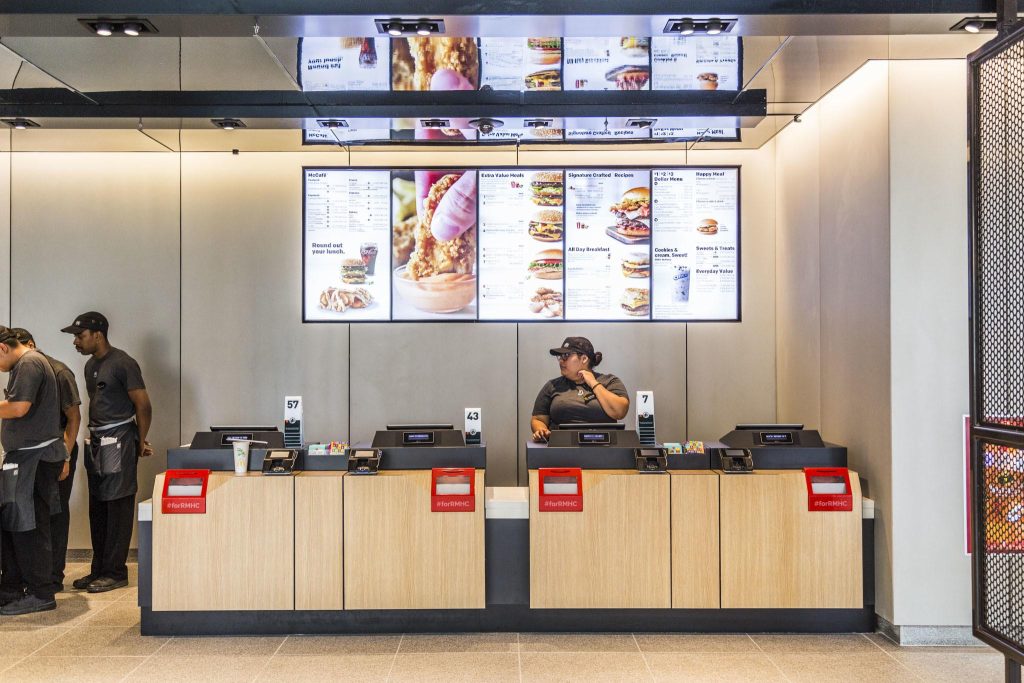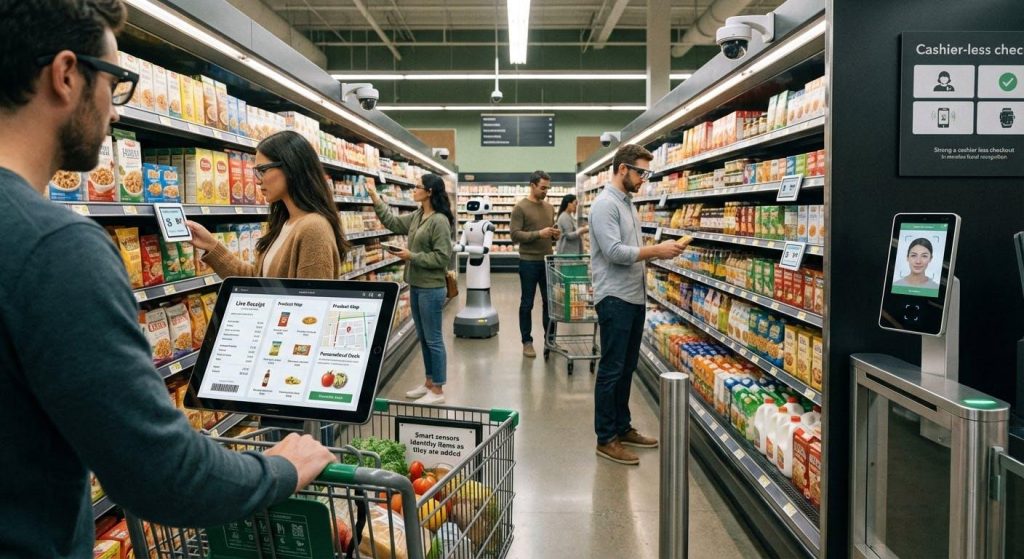


Smaller appetites do not mean smaller opportunity. But they do mean lazy menus, oversized portions, and weak value offers are getting exposed.
Restaurant owners already have enough pressure.
Food costs are still high. Labor is expensive. Delivery apps take a painful cut. Customers are more price-sensitive. Social media takes more effort than it used to. Reviews can hurt traffic overnight. And even loyal guests are thinking twice before spending $18 on lunch or $70 on dinner.
Now there is another shift to understand: GLP-1 drugs.
Ozempic, Wegovy, Mounjaro, Zepbound, and similar medications are changing how many people experience hunger, cravings, alcohol, snacks, and portion sizes.
This does not mean people will stop going to restaurants.
That is the lazy headline.
People still want to go out. They still want to meet friends, celebrate, take a break from cooking, enjoy good food, and feel taken care of.
But some guests are ordering differently.
They may want smaller portions. They may skip dessert. They may drink less alcohol. They may avoid heavy dishes. They may still want indulgence, but in a more controlled way.

For restaurant operators, the question is not:
“Will GLP-1s hurt restaurants?”
The better question is:
“How do we serve changing appetites without shrinking the guest experience or damaging margin?”
That is where the real opportunity is.
The Big Shift: Less Volume, More Intention
For years, many restaurants used portion size as a shortcut for value.
Big plates. Loaded sides. Huge desserts. Oversized drinks.
That model still works for some customers. But it is no longer the only version of value.
A growing number of diners now care about a different kind of value:
They want food that feels worth it.
Not just large.
Not just cheap.
Worth it.
That means better ingredients, flexible portions, more protein, lighter options, better sides, and dishes that do not leave them feeling uncomfortable after the meal.
This is especially important for GLP-1 users, but it goes beyond them.
The same menu changes can also appeal to:
- older guests
- fitness-minded customers
- lunch diners
- people managing blood sugar
- women’s groups
- office workers
- guests who hate wasting food
- customers who want to eat out without overdoing it
That is why this should not be treated as a narrow medical trend.
It is part of a bigger shift in how people define a good meal.
Do Not Create an “Ozempic Menu”
Some restaurants will be tempted to create an “Ozempic-friendly menu.”
That might get attention for a few days.
But for most independent restaurants, it is not the smartest move.
Many customers do not want their medication, weight, or health choices turned into a public menu category. They do not want to feel exposed at the table. They do not want to order something that sounds like a prescription.
Better language works much harder.
Use words like:
Lighter Plates
Half Portions
Protein & Greens
Small Plates
Balanced Bowls
Shareable Sides
Small Indulgences
That language feels normal. It includes more people. It does not make the guest feel judged.
The goal is simple:
Serve GLP-1 users without making the restaurant feel like a clinic.
The Portion Problem: Smaller Can Still Feel Expensive
Here is where operators need to be careful.
If you simply make portions smaller and keep prices the same, guests may feel cheated.
If you cut the price too much, you may hurt margin.
That is the trap.
Rent does not shrink because the plate is smaller. Labor does not shrink. Credit card fees do not shrink. Packaging costs do not shrink. Delivery commissions do not shrink.
So the answer is not just “make everything smaller.”
The better answer is portion design.
Give customers options without weakening the business.
For example:
Offer a full entrée and a half entrée.
Pair smaller portions with soup, salad, or vegetables.
Create protein-forward plates with chicken, salmon, steak, eggs, tofu, or legumes.
Let guests add protein instead of only upselling fries, cheese, or dessert.
Offer sauces on the side for richer dishes.
Create small desserts that feel easy to say yes to.
This gives guests control while giving the restaurant a smarter way to protect check average.
A guest who skips a $12 dessert might still order a $5 dessert bite with coffee.
A guest who does not want a full pasta entrée might still order a smaller pasta with a premium protein add-on.
A guest who would have avoided a heavy dinner might come in more often if your menu gives them a lighter path.
That is the real win.
Healthy Food Cannot Taste Like Punishment
Another mistake is assuming GLP-1 users only want plain “healthy” food.
That is not how restaurants work.
People do not go out to feel punished.
They still want flavor. They still want pleasure. They still want something they would not make at home.
The shift is not from indulgence to discipline.
The shift is from careless indulgence to intentional indulgence.
That means a restaurant can still sell delicious food. It just needs to think more carefully about format.
A steakhouse does not need to become a wellness café.
A pizzeria does not need to apologize for pizza.
A bakery does not need to pretend croissants are health food.
But each of them can create smarter choices.
A steakhouse can offer smaller steak cuts with better sides.
A pizzeria can offer smaller pies, better salads, and high-quality toppings.
A bakery can sell mini pastries, yogurt bowls, savory breakfast items, or premium coffee pairings.
A casual restaurant can offer bowls, soups, grilled proteins, and small desserts without losing its identity.
The point is not to chase health trends.
The point is to make your menu easier to enjoy for people whose appetite has changed.
Alcohol and Dessert Need a New Strategy
Many GLP-1 users report drinking less alcohol and reducing sweet cravings.
That matters because alcohol and dessert are often important margin drivers.
If fewer guests order cocktails, wine, beer, or dessert, the check average can soften even when traffic looks steady.
The wrong response is to push harder with giant drinks and oversized desserts.
The smarter move is to create easier yeses.
Think:
Low-alcohol cocktails.
Premium mocktails.
Sparkling drinks with citrus, herbs, tea, or bitters.
Smaller wine pours.
Dessert bites.
Mini dessert flights.
Coffee and small sweet pairings.
A guest who does not want a full slice of cake may still want two bites of something excellent.
A guest who does not want a cocktail may still pay for a well-made non-alcoholic drink if it feels adult, not childish.
This is where many restaurants are leaving money on the table.
They offer either “full indulgence” or “nothing.”
The better middle ground is where the new margin may be.
Delivery Menus Need to Adjust Too
GLP-1s also affect delivery behavior.
Delivery is already difficult for restaurants because of commissions, packaging costs, refunds, delays, and weak control over the guest experience.
Now add smaller appetites.
A customer may not want a huge entrée, fries, drink, and dessert. But they also may not want to pay delivery fees for something that feels too small.
That creates a value problem.
The solution is to design delivery items that feel complete without being excessive.
Good examples include:
Protein bowls.
Soup and half-entrée combinations.
Grilled protein with vegetables.
Smaller premium meals that reheat well.
Take-home bundles for two people with mixed appetites.
Meal components customers can combine at home.
The key question for delivery is:
Does this order feel satisfying enough to justify the total cost?
If the answer is no, the customer may choose grocery, meal prep, or nothing.
Grocery Stores Are Becoming a Bigger Competitor
GLP-1 users are also changing grocery baskets.
They are often buying fewer snacks, fewer sweets, fewer impulse items, and more intentional foods.
That should matter to restaurants.
Because grocery stores are not just selling ingredients anymore. They are selling prepared meals, protein bowls, ready-to-eat lunches, meal kits, and “healthier convenience.”
In other words, they are coming for restaurant occasions.
Restaurants still have advantages grocery stores cannot easily copy:
freshness, hospitality, atmosphere, local connection, service, and the feeling of being taken care of.
But restaurants need to package those advantages better.
Some smart options:
A lighter weekday lunch menu.
A take-home dinner bundle.
A protein-and-sides meal kit.
A prepared meal fridge.
A post-gym dinner partnership.
A small-plates dinner for couples.
A catering package built for offices that want lighter food.
Not every restaurant should become a meal prep business.
But every restaurant should ask:
Are we only selling one version of a meal when our customers now want more flexibility?
What Restaurant Owners Should Do Now
Do not overhaul the whole menu overnight.
That is how restaurants create chaos.
Start with your numbers.
Look at your POS data.
Ask:
Are desserts declining?
Are alcohol orders softening?
Are guests splitting more entrées?
Are appetizers replacing main courses?
Are lighter items selling better?
Are more customers asking for modifications?
Are plates coming back unfinished?
Are reviews mentioning portion size, value, heaviness, or price?
Then test small.
Add three half-portion options.
Create two protein-forward dishes.
Offer one smaller dessert format.
Build one premium mocktail section.
Test one lighter lunch combo.
Add one take-home bundle.
Track what happens.
Do not just look at sales. Look at margin, prep time, kitchen complexity, repeat orders, and guest feedback.
The goal is not to look trendy.
The goal is to find profitable demand your current menu may be missing.
The Real Lesson: Value Is Changing
GLP-1s are not killing restaurants.
But they are exposing weak restaurant strategy.
If your value depends only on giant portions, you may feel pressure.
If your menu has no lighter path, you may lose some orders.
If your beverage program depends only on alcohol, you may miss new spending.
If your desserts only come in oversized portions, more guests may skip them.
If your delivery menu feels too heavy or too expensive, customers may choose something else.
But if you understand the shift, there is real opportunity.
The future is not smaller hospitality.
It is smarter hospitality.
People still want restaurants.
They still want flavor, service, comfort, pleasure, and connection.
They may just want all of that in a way that fits their appetite now.
The restaurants that win will not panic.
They will adjust the menu, protect the margin, respect the guest, and make the experience feel valuable — even when the plate is smaller.