

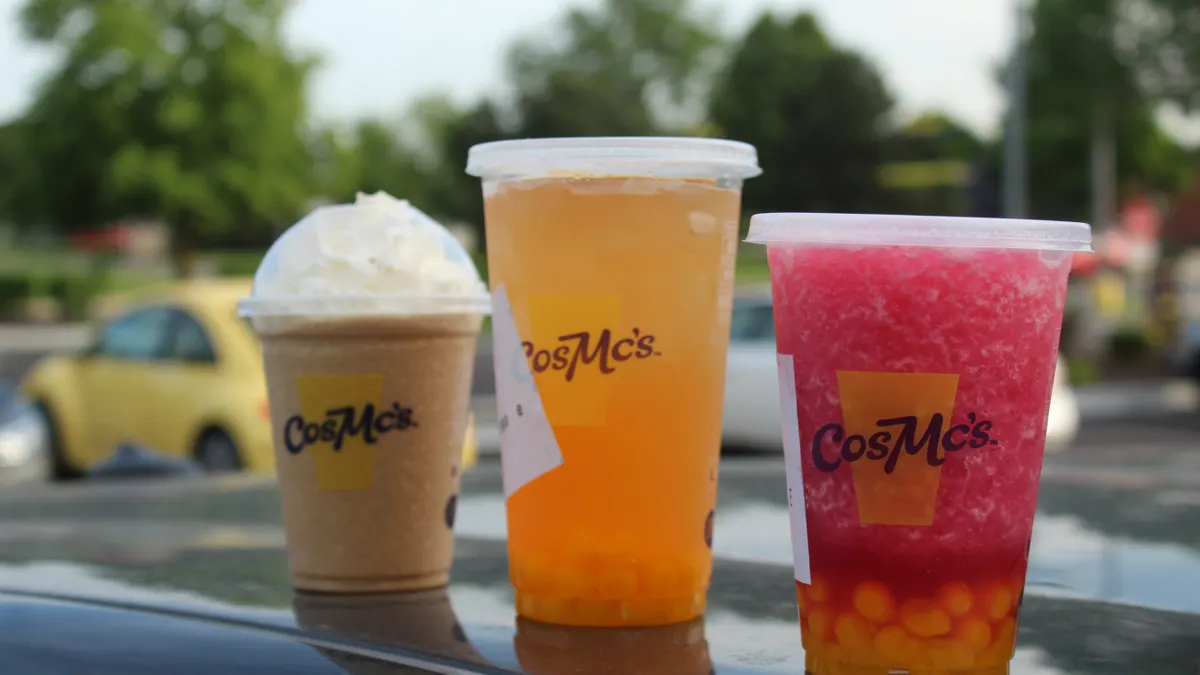
Drinks are no longer just side items. For smart restaurants, they are becoming one of the best ways to protect margin, increase repeat visits, and stand out.
Running a restaurant today is harder than most customers realize.
Food costs are high. Labor is expensive. Rent, delivery fees, insurance, and utilities keep rising. Customers still want to eat out, but they are more careful with money and quicker to compare options.
That is why beverages are becoming a serious business strategy.
Not because every restaurant needs to become a coffee shop, cocktail bar, or smoothie brand. The real reason is simpler: drinks can carry strong margins, create repeat visits, and give customers a small reason to come back even when they are not ready for a full meal.
Food has become harder to price. Drinks still have flexibility.
Customers notice when a burger jumps from $14 to $19. They compare entrée prices quickly.
But a $6 house lemonade, $8 iced matcha, $10 mocktail, or $14 cocktail can feel reasonable when it looks good, tastes intentional, and fits the experience.
That is the opportunity.
A good beverage can feel premium without carrying the same food cost pressure as many dishes. For restaurants fighting tight margins, that matters.
The mistake is thinking drinks are just “extra sales.” They are not. A strong beverage program can improve average check, help servers upsell naturally, and give guests something memorable.
Customers want small rewards
Not every guest wants another meal. Sometimes they want a small treat.
An afternoon iced coffee. A fresh lemonade. A zero-proof cocktail. A seasonal spritz. A smoothie after the gym. A drink that feels refreshing, social, and affordable.
This is why major brands are fighting hard for beverage occasions. Drinks create habits. Habits create frequency. Frequency creates loyalty.
Independent restaurants should not copy big chains blindly. But they should learn from the behavior.
People may not visit your restaurant for dinner three times a week. But they might come back for a drink, a brunch beverage, a patio special, or a seasonal item they cannot get elsewhere.
Beverages are now marketing tools
A good drink is easier to market than another generic food post.
A colorful spritz, layered iced latte, house soda, mocktail, or seasonal lemonade can give you something specific to promote.
Bad advice: “Post more on Instagram.”
Better advice: “Create one drink worth talking about.”
One seasonal beverage can support:
- social media posts
- email campaigns
- server recommendations
- happy hour offers
- loyalty rewards
- brunch specials
- delivery add-ons
The drink is not just a menu item. It becomes a reason to communicate with customers.
Non-alcoholic drinks deserve real attention
For years, restaurant beverage strategy mostly meant alcohol: cocktails, wine, beer, and happy hour.
That is changing.
More customers want no-alcohol or low-alcohol options. Some are health-conscious. Some are driving. Some are pregnant. Some avoid alcohol for religious reasons. Some simply want something lighter.
The problem is that many restaurants still treat non-alcoholic drinks like an afterthought.
A basic soda or cranberry-lime mocktail is not enough.
A strong zero-proof menu should feel adult, thoughtful, and worth paying for. Think citrus, herbs, spice, bitterness, bubbles, tea, coffee, shrubs, and fresh ingredients.
The guest who does not drink alcohol should not feel like a second-class customer.
Drinks can help restaurants escape delivery app pressure
Delivery apps are expensive. They also make it harder for restaurants to own the customer relationship.
Beverages can help increase order value, but only when they are more interesting than a canned soda.
A branded lemonade, bottled iced tea, cold brew, sealed mocktail, or house drink can make takeout and delivery feel more complete.
But the bigger win is direct loyalty.
If customers crave your specific drink, they are more likely to order from you directly or visit in person. Generic food gets compared. Signature drinks get remembered.
Keep the program simple
This is where many operators get it wrong.
They create complicated drinks that look good online but slow down service, frustrate staff, and create inconsistent quality.
A beverage program should be exciting for guests but boring behind the scenes.
Before adding a drink, ask:
Can the team make it quickly?
Can it be prepped in advance?
Does it use ingredients we already have?
Is the margin strong?
Will servers actually recommend it?
If not, it may be a good idea but a bad restaurant product.
The best beverage menus are not the longest. They are focused, profitable, easy to execute, and clearly connected to the brand.
Value does not mean cheap
Customers are watching their spending, but that does not mean they only want discounts.
They want the price to make sense.
A $9 drink can work if the guest understands why it is special. Fresh ingredients, good glassware, strong presentation, unique flavor, or a clear pairing can make the price feel fair.
Bad move: charging premium prices for basic juice and soda combinations.
Better move: creating drinks with real flavor, adult balance, and a clear reason to exist.
The goal is not to make drinks expensive. The goal is to make them worth it.
What restaurant owners should do now
Do not start by chasing trends. Start with your numbers.
Look at your POS data:
How many checks include a drink?
Which drinks sell best?
Which drinks have the best margin?
Which ones slow the team down?
Which ones barely sell but create inventory headaches?
Then make simple improvements.
Cut weak items. Improve your best sellers. Add one or two signature drinks. Train servers to recommend them. Create one seasonal drink campaign. Add at least one strong non-alcoholic option. Track results weekly.
A smart 90-day plan could look like this:
Month one: simplify and cost your current beverage menu.
Month two: launch two high-margin signature drinks.
Month three: promote them, train the team, measure results, and adjust.
Do not overhaul everything at once. That creates chaos.
The takeaway
Restaurants are becoming drink companies because drinks solve real business problems.
They can protect margin, increase average check, create repeat visits, support better marketing, and serve customers who want both indulgence and moderation.
But this only works when beverages are treated as strategy, not decoration.
The winners will not be the restaurants chasing every viral drink. They will be the operators who build simple, profitable, memorable beverage programs that fit their brand and keep guests coming back.
In today’s restaurant market, the most profitable item on the table may not be the entrée.
It may be the glass beside it.